The Cuban cigar industry is not simply collapsing, nor is it enjoying an uncomplicated renaissance. That is the starting point of “Cuba's Cigar Paradox”, a long-form analysis by Philip G. Wynne published by Cigar Journal, which argues that Cuba is trying to rebuild its agricultural base amid shortages of electricity, fuel and inputs, while Habanos S.A. has repositioned its most prestigious cigars as global luxury goods, extracting dramatically more revenue from a restricted physical supply.
The analysis starts in the field. Cuba planned roughly 20,000 hectares of tobacco nationally for the 2025–26 campaign, with Pinar del Río — responsible for roughly 70 percent of the country's tobacco leaf — accounting for the great majority of the cigar-leaf programme. Weather, seedbed losses, drought and energy shortages prevented the original planting objective from being fully achieved, and recovery from Hurricane Ian continues. For the premium trade, Wynne argues, the figure that matters most is how much of the crop becomes export-quality wrapper.
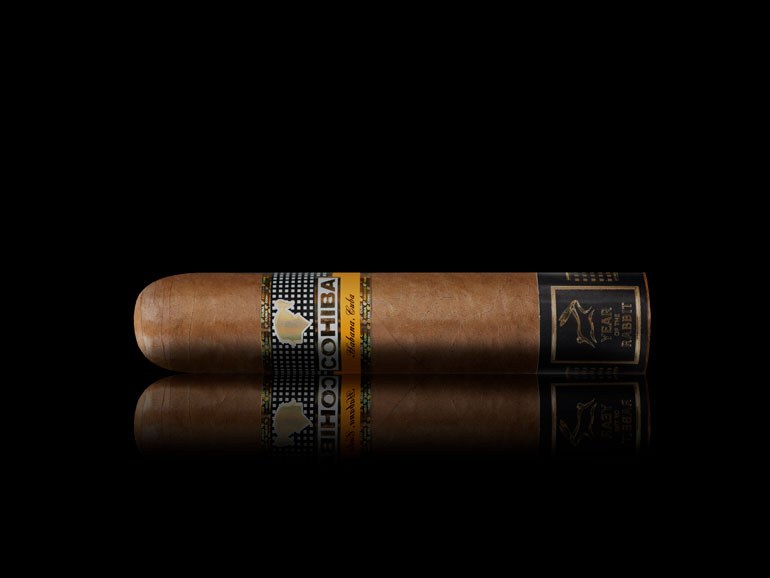
Against those difficulties stands the commercial performance. Habanos reported record revenue of $827 million for 2024, an increase of about 16 percent from the previous year, with China ranked first among its markets by sales value, followed by Spain, Switzerland, the United Kingdom and Germany. The explanation is principally price: beginning in 2022, Habanos aggressively repriced Cohiba and Trinidad, and a Cohiba Behike 52 that sold for roughly €55 in early 2022 was reported at around €230 by early 2026.
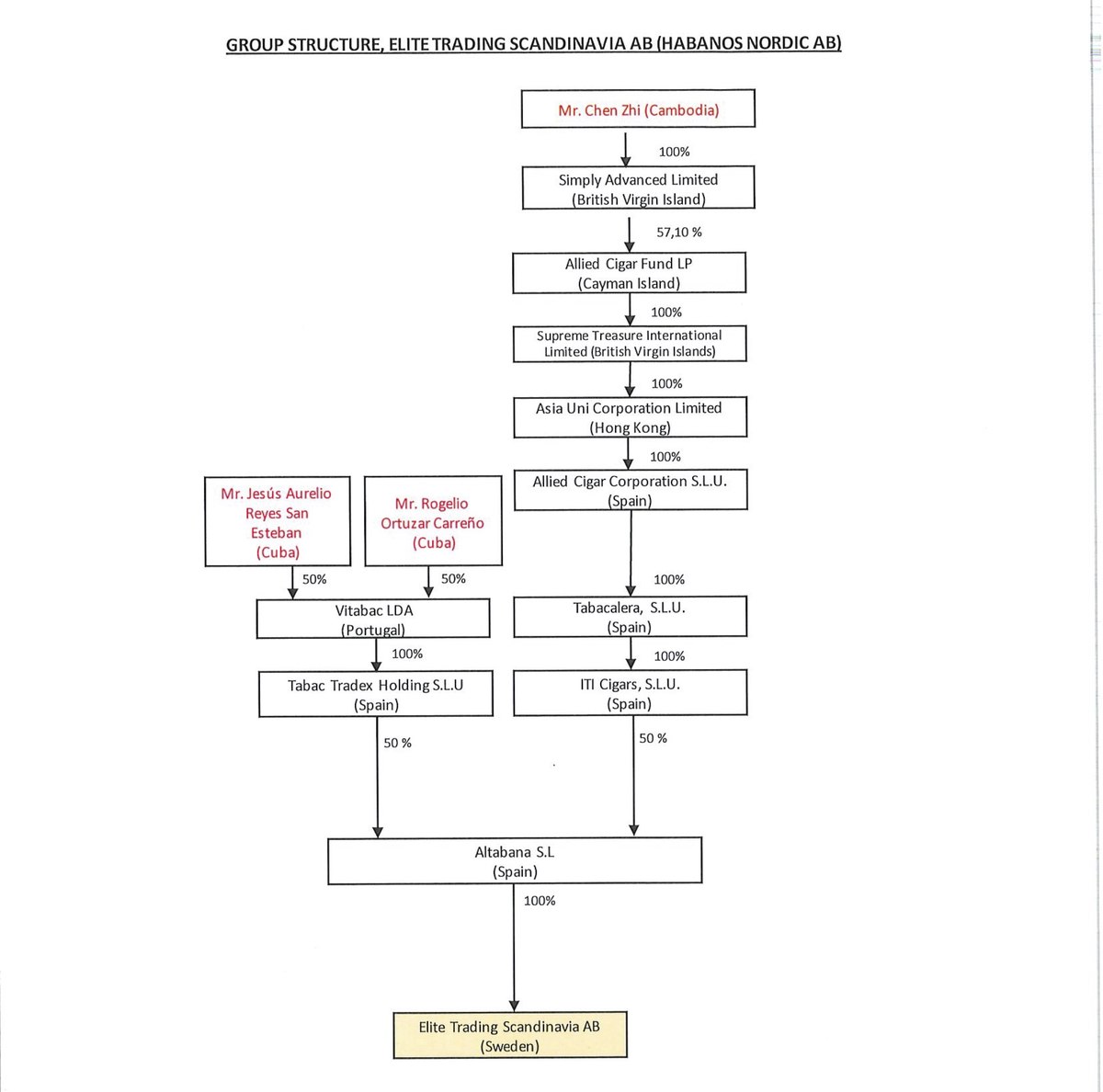
The ownership question runs through the analysis. The Cuban state continues to own 50 percent of Habanos S.A.; reporting indicates that Chen Zhi controlled 57.1 percent of the relevant Allied Cigar investment structure, an indirect economic exposure equivalent to about 28.55 percent of Habanos as a whole. After US and British sanctions in October 2025 — allegations Chen and his organisation deny — and his entry into Chinese custody in January 2026, that interest sits inside a court-supervised structure in the British Virgin Islands. The consequences have reached distribution: on September 4, 2026, Fifth Avenue Products Trading, the exclusive distributor for Germany, Habanos' fifth-largest market by value in 2024, told retailers it had temporarily restricted its business amid a banking and sanctions review concerning one of its shareholders.
Meanwhile, the production gap is not remaining empty. In 2025 the United States imported roughly 430 million premium handmade cigars, Nicaragua supplying about 258 million, the Dominican Republic approximately 94 million and Honduras roughly 75 million. “Record revenue demonstrates that monetizing scarcity can work,” Wynne concludes. “It does not tell us how many habitual smokers have quietly moved to another cigar, nor whether they will return.”