An investigative report by the Financial Times has traced the recent history of Habanos S.A. and examined how the strategy of turning Cuban cigars into an ultra-luxury item has reshaped — and, in the view of several retailers interviewed, damaged — the brand. “It's quite a surprising situation, how the Cubans have given away the tobacco industry,” Laurence Davis, owner of Sautter Cigars in London, told the newspaper.
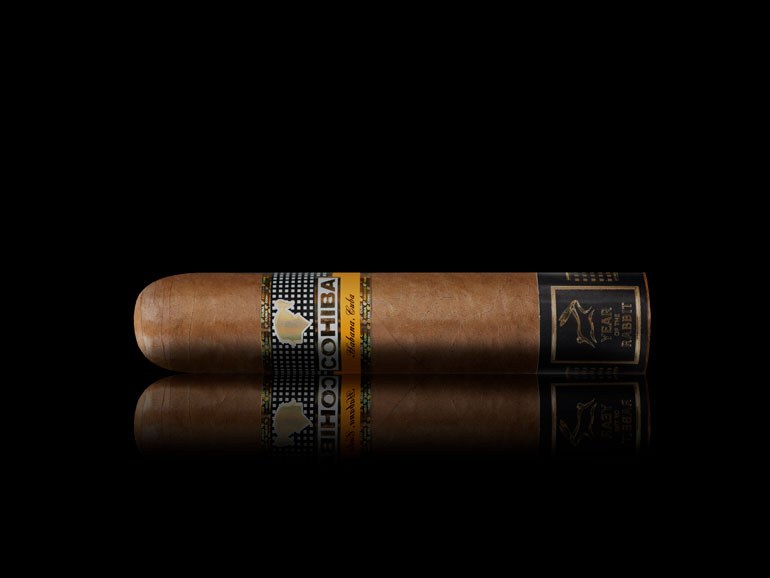
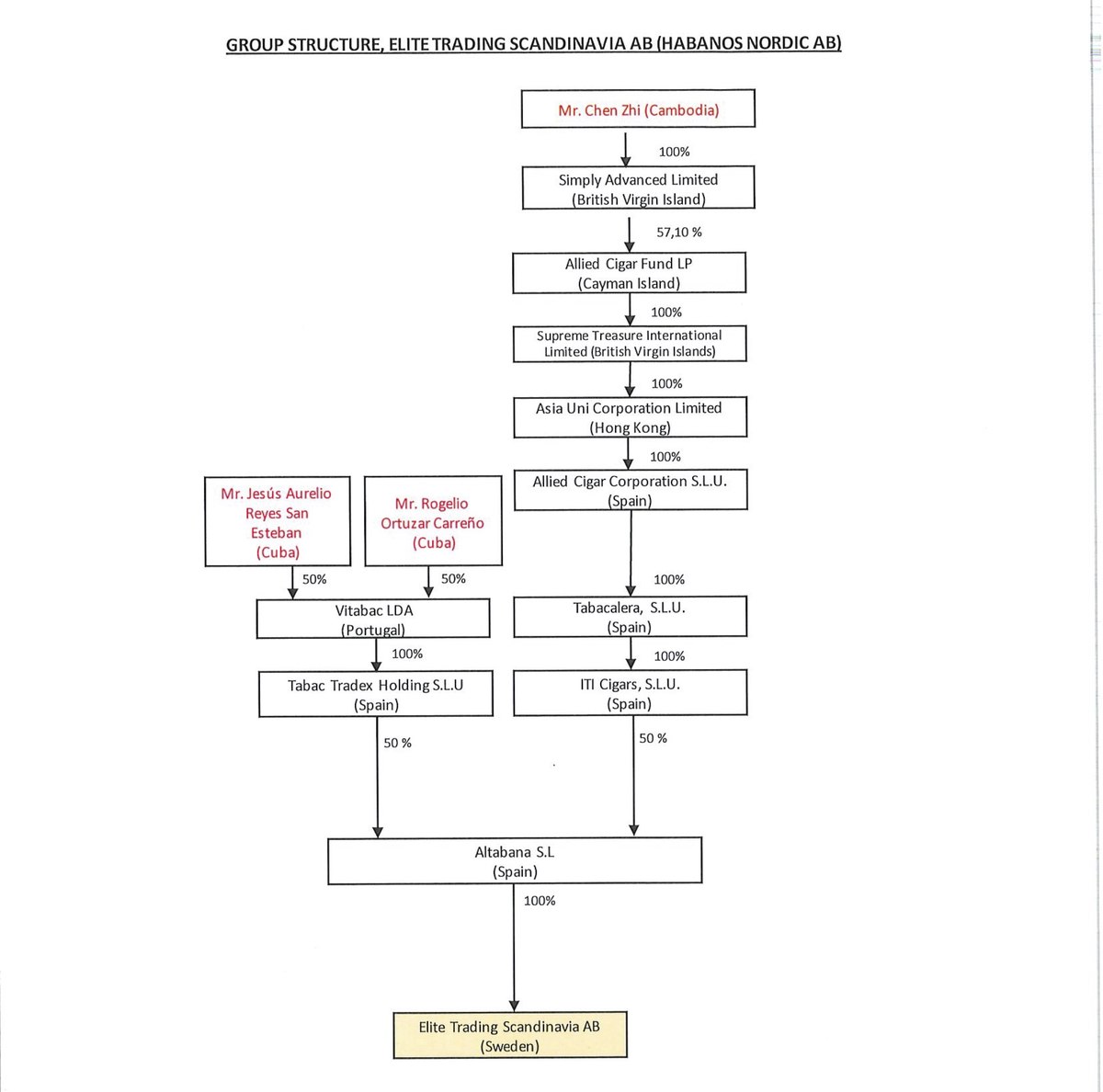
According to the FT's account, Habanos reported stable annual revenues of about $500 million before 2020. In April of that year the half of the company held by Imperial Brands was sold to a Hong Kong consortium in which Chen Zhi controlled almost a third of the shares; the FT revealed that a further quarter belonged to Chinese energy magnate Zhang Hongwei. Prices were doubled in 2023 and raised more moderately afterward: a Cohiba Behike 52 that sold for €55 in January 2022 reached €230 by January 2026. Revenue reached $827 million in 2024, up 45 percent between 2021 and 2024, after an April 2022 decree tied global prices to those of Hong Kong.
The FT reconstructs how Chen, founder of the Prince Group conglomerate, used the Cuban brand as a status symbol in his campaign to enter London's elite, and how the structure has since unravelled: sanctions by the United Kingdom and the United States in October 2025 and by the EU in July 2026, Chen's extradition from Cambodia to China on January 6, 2026, and the appointment by a British Virgin Islands judge of provisional liquidators for 30 Chen-linked companies, among them Simply Advanced, through which he controlled nearly a third of Habanos.
For retailers, the reckoning is in the smoking habits of their customers. “They ruined the image of the average Cuban cigar smoker, who used to smoke a Cohiba Robusto for £40, by raising it to £100,” said Davis, who estimates his own smoking has gone from 95 percent Cuban before 2020 to about 40 percent today, with customers cutting back and switching to Nicaraguan cigars. “Now I think there's no turning back.”