
British American Tobacco no longer has any presence in Cuba. Last February, the group sold its 50 percent stake in Brascuba, the cigarette-manufacturing joint venture created in 1995 with the Cuban state, to Tabagest S.A., a company linked to Tabacuba that already held the other half of the shares, Cigars-connect reported. Neither BAT nor the Cuban authorities issued any statement about the exit, which is buried deep in the British group's financial reports.
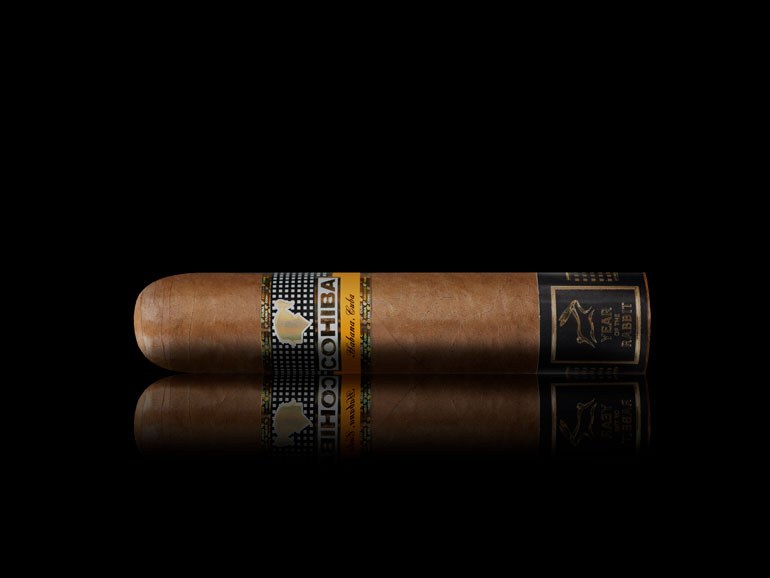
Brascuba was founded in 1995 as a joint venture between the state tobacco monopoly Tabacuba and the Brazilian company Souza Cruz, a BAT subsidiary since 1914. Since 1996 it has produced the Popular brand, and later, under licence from Habanos S.A., it also manufactured cigarettes under the Cohiba, H. Upmann and Romeo y Julieta brands, for the domestic market and for export to more than 20 countries.
According to BAT's 2025 annual report, the sale agreement was concluded on December 19, 2025: the group was to receive $25 million for its shares and $35 million for the sale of trade receivables, all settled in euros. BAT had booked £231 million in impairments before the sale, and its 2026 half-year report shows a net charge of £12 million. The group now has no voting rights, no management authority and no exposure to the company's future results.
The decision predates the recent wave of Western exits from Cuba. The intention to leave first appeared in BAT's 2024 annual results, following a strategic review, alongside a first impairment of £74 million — more than a year before the tightening of US sanctions in May 2026. Asked by L'Amateur in an update on October 8, BAT cited its strategic review, the optimisation of its footprint, “macroeconomic challenges” and “hard currency constraints”, confirming the sale to Tabagest, its “former joint venture partner”, was complete.