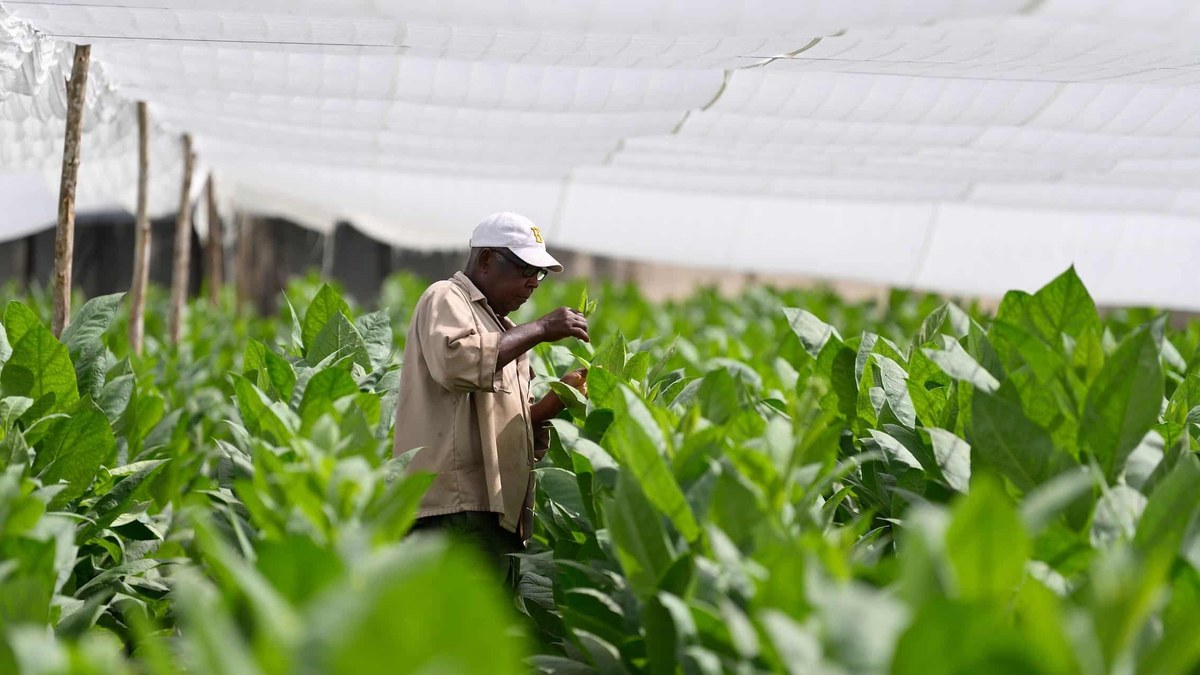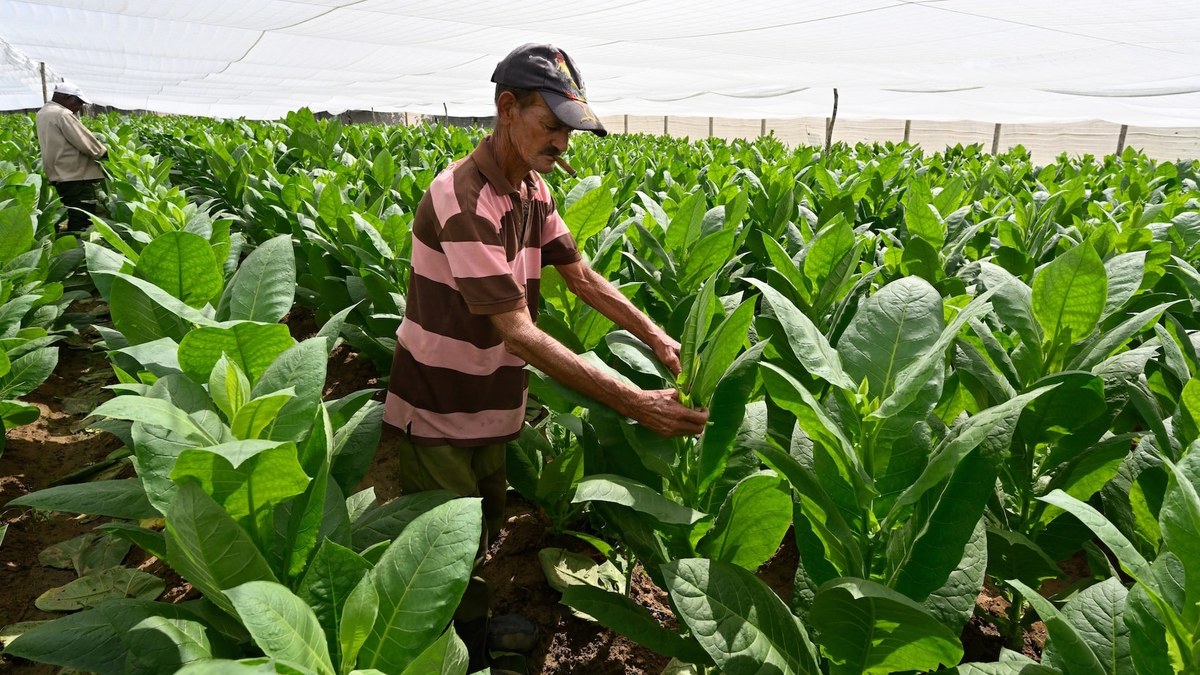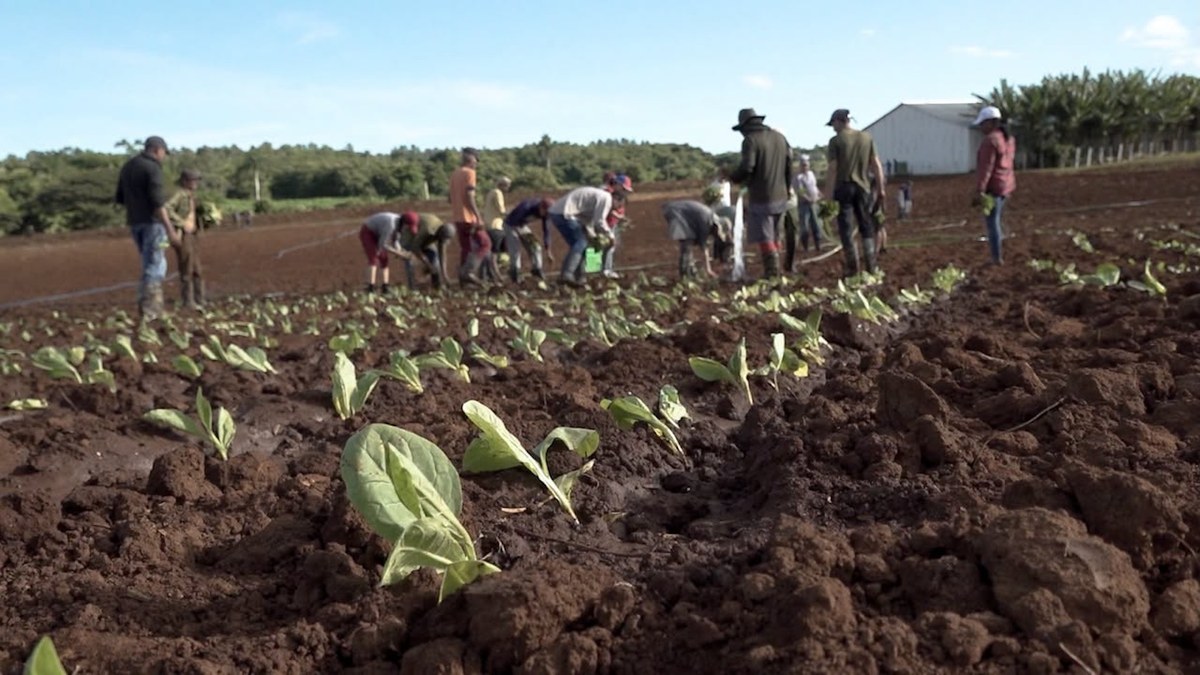
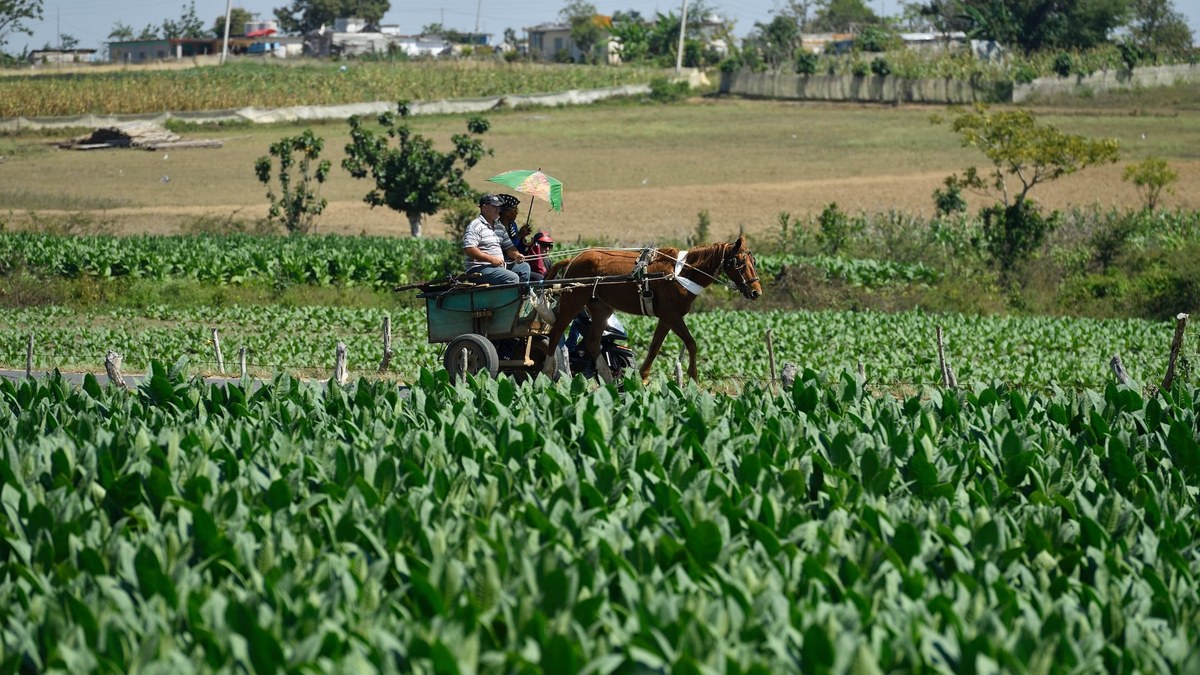
Cuba’s National Assembly adopted a package of 176 economic measures on June 19, presented by the government as the most significant turning point since Raúl Castro’s 2011 lineamientos. Three of them — measures 56, 57 and 58 — directly concern the tobacco industry, Cigars-connect reports.
Measure 58 authorises real usufruct rights over agricultural land for private legal entities, for an indefinite period and based on a submitted project; tobacco production is explicitly mentioned. Measures 56 and 57 allow economic actors to import fuel and renewable-energy equipment directly, with tax incentives. Economist Daniel Torralbas, quoted by Cigars-connect, sums up the novelty: for the first time, Cuban private companies will be able to hold usufruct rights over land. In the Vuelta Abajo, most tobacco land already belongs to small private owners, and that individual regime is not affected.
Both economists consulted agree on the structural limit: the reforms change who can grow, on what land and with what energy, but not the tier above. Tabacuba remains the sole buyer of all Cuban tobacco production, and Habanos S.A. retains its monopoly over marketing and export. “We are not facing a reform of Cuban agriculture, but reforms in Cuban agriculture,” Torralbas cautions — for now, they are announcements, and what matters is implementation.