
Feature — Padrón: Sixty Years of the King
Who Never Advertises
Padrón is a family-run maker standing at the pinnacle of Nicaraguan cigars. It was founded in 1964, with starting capital of only $600. It runs almost no promotional advertising, and in sixty years it has collaborated with another company just once. Even so, it has received the trade press's top annual honours more often than any other company, and aficionados around the world acknowledge it as “the royal road of non-Cuban cigars.” In this feature we dig into the family's history, its reputation, its leaf and farms, its relations with its rivals, and its fight against counterfeits.
◆ Chapter 1 — A Family's History: From Pinar del Río to Estelí
The family's cigar making began in the late nineteenth century. José's grandfather, Dámaso Padrón, crossed from the Canary Islands to Pinar del Río in Cuba, grew leaf around the town of Piloto, and in time came to own a small factory as well. José Orlando Padrón was born in that Piloto in 1926, and from his boyhood he worked in the family's leaf business.
The turning point came in 1961. The revolutionary government seized the farmland, and José left Cuba with his wife and children. By way of Spain and New York, he reached Miami in 1962. Those were days of getting by on day labour — construction and carpentry work. It is from this period that an anecdote survives: a friend gave him a small hammer, telling him, “This hammer will make you successful.” José treasured that hammer like a talisman, and it was later taken up as a symbol of the company.
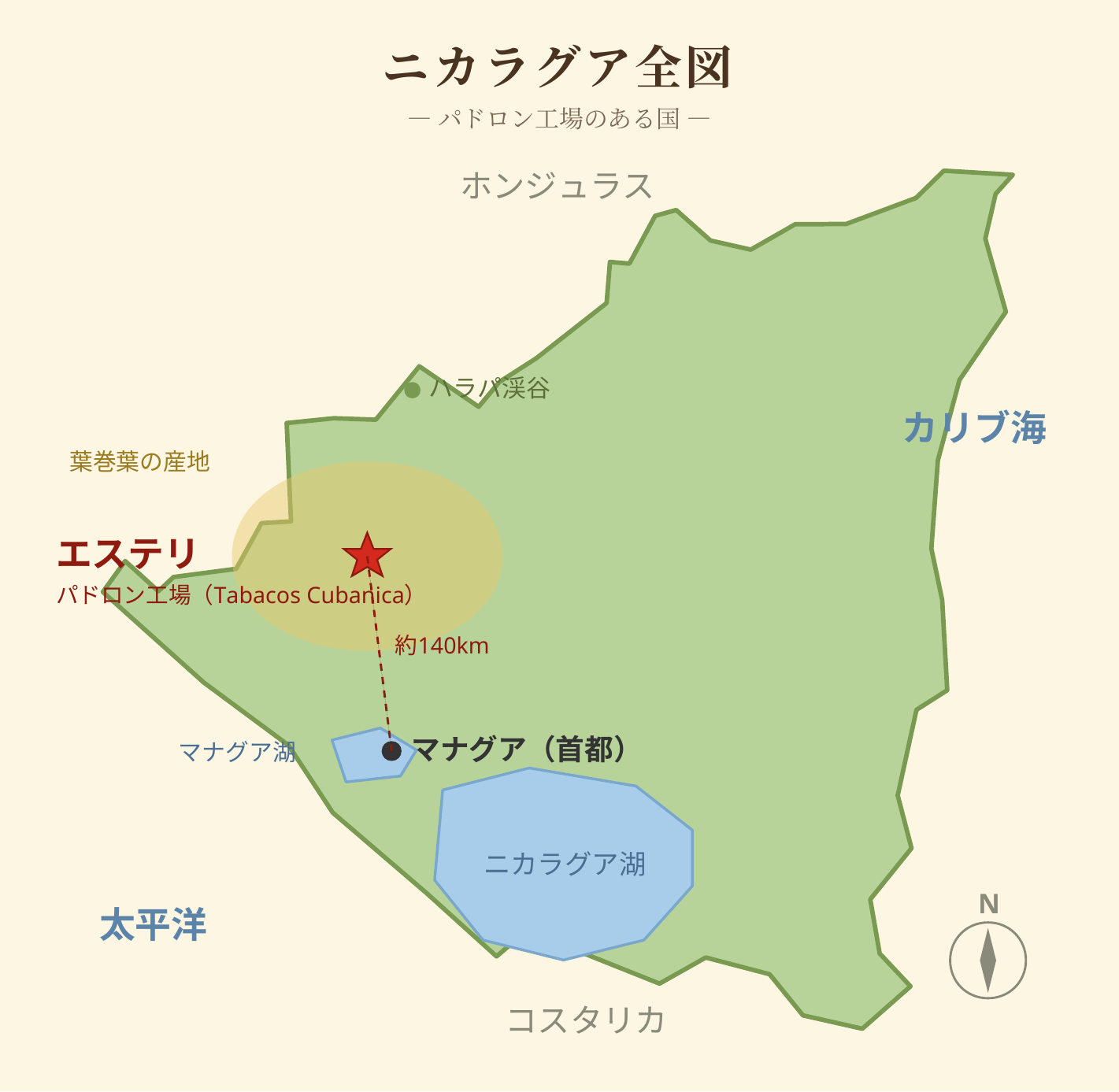
On September 8, 1964, with the $600 he had received from the Cuban Refugee Assistance Program as his capital, Padrón Cigars was born. At first it was a small shop in Miami's Little Havana selling simple cigars known as “Fumas.” In 1967 José encountered leaf from Nicaragua's Jalapa Valley, and praised its soil and climate as “Cuba come again.” In 1968 he released cigars made from Nicaraguan leaf, and in 1970 he moved his base to Estelí in northern Nicaragua.
The trials kept coming. In the late 1970s, amid revolutionary turmoil, the factory was forced to evacuate temporarily to Danlí in Honduras; according to a book that compiles the family's history, bullet marks remained in the factory walls, and when operations were suspended, the employees marched through the town demanding that work resume. From 1990 to 1993 the U.S. embargo on Nicaragua cost the company its largest market, and in 1998 Hurricane Mitch inflicted devastating damage on the Paso Real farm.
Even so, the family kept refining its lines. In 1994 came the 1964 Anniversary Series, its leaf aged four years; in 2002 the Serie 1926, aged five years; and in 2009 the Family Reserve, aged ten years. José died on December 5, 2017, at the age of 91. Today his son Jorge Padrón leads the company, and the succession to the third generation is under way.
◆ Chapter 2 — The Record: Cigar of the Year Five Times, and Still No Advertising
What symbolises Padrón's standing is the “Cigar of the Year” of the specialist magazine Cigar Aficionado. The wins: the Serie 1926 40th Anniversary in 2004; the Serie 1926 No. 9 in 2007 (97 points); the Family Reserve No. 45 Maduro in 2009; the 1964 Anniversary Torpedo in 2021; and in 2025 the “60th Anniversary Perfecto,” which shone at No. 1 of the Top 25 with 97 points. Five crowns are at the very top level among cigar makers, and the magazine itself noted in 2022 that Padrón had won “more than any other company.”
What is interesting is how the cigars sell. Padrón conducts almost no consumer-facing promotional advertising. Yet in retailer polls run by the magazine's affiliates, the Anniversary lines have repeatedly been chosen the “best-selling brand.” The company stays aloof from flashy sales and discount wars, holding its throne on reputation and word of mouth alone — a rare way of being in this industry.
◆ Chapter 3 — Leaf and Farms: All Nicaraguan, with the Aging Finished “in the Leaf”
Padrón's cigars are puros: wrapper, binder and filler are all Nicaraguan. The seed is sun-grown habano of Cuban lineage. The colours run in two directions, natural and maduro. The key to understanding the architecture of the blends is the “priming” — the position on the tobacco stalk from which a leaf is picked.
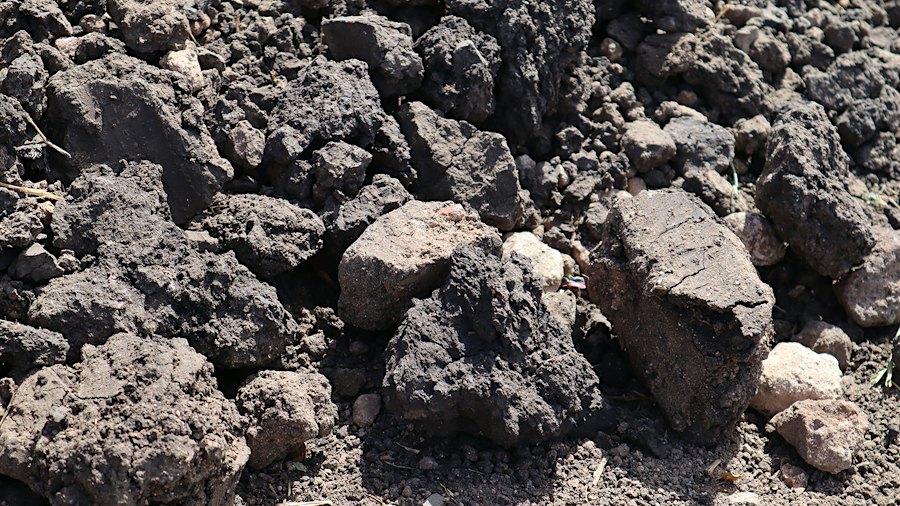
There are three growing regions. Estelí, whose volcanic black soil gives power and an earthy aroma, is the spine of the blends. The Jalapa Valley in the north is red-soil country, known for sweetness and fine aroma. Condega, between the two, links them. It was the Jalapa leaf that José, in 1967, marked out as “Cuba come again.”
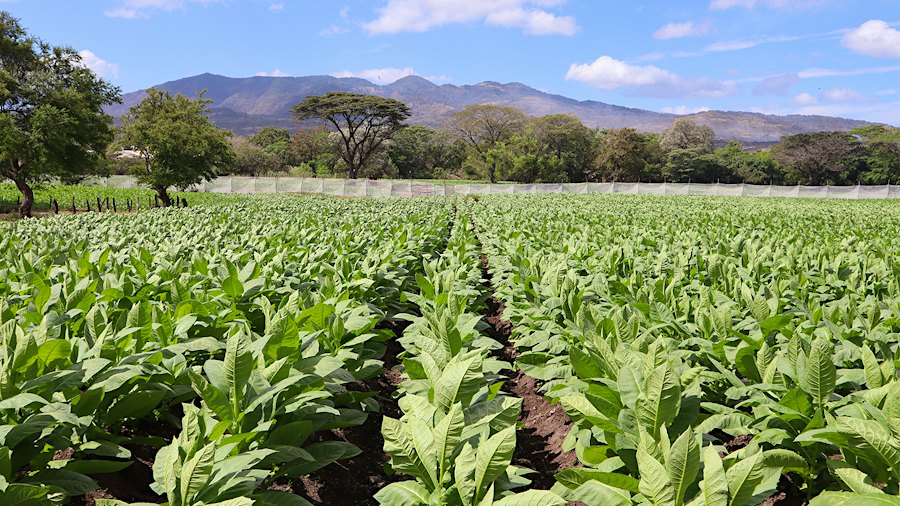
Cultivation is carried out on the company's own farms and, for the most part, on fields worked by contract growers dedicated to Padrón. The harvested leaf is piled into large heaps called pilones to ferment, and then goes into aging for years at a time, in barrels and bales. The aging periods are published for each line: four years for the 1964 Anniversary, five years for the Serie 1926, ten years for the Family Reserve. In Estelí there are more than twenty warehouses, said to hold leaf amounting to roughly six years of production — enough for 25 million cigars.
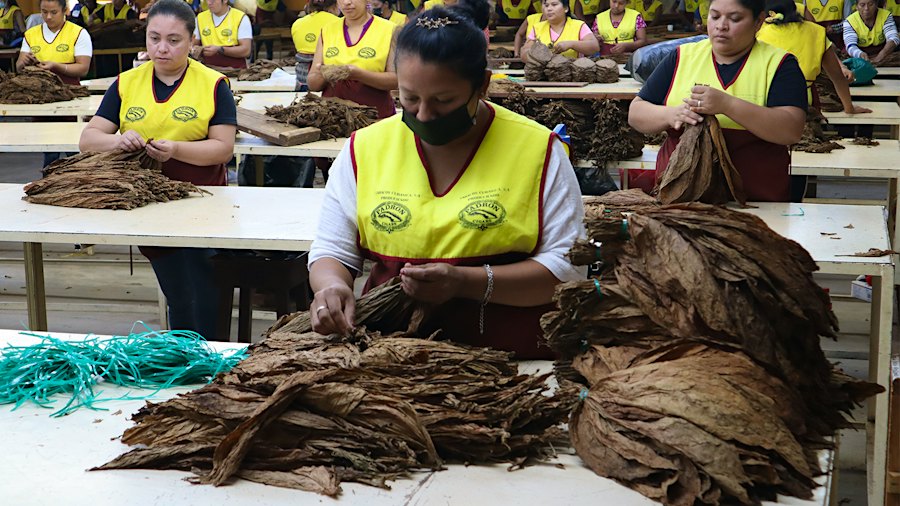
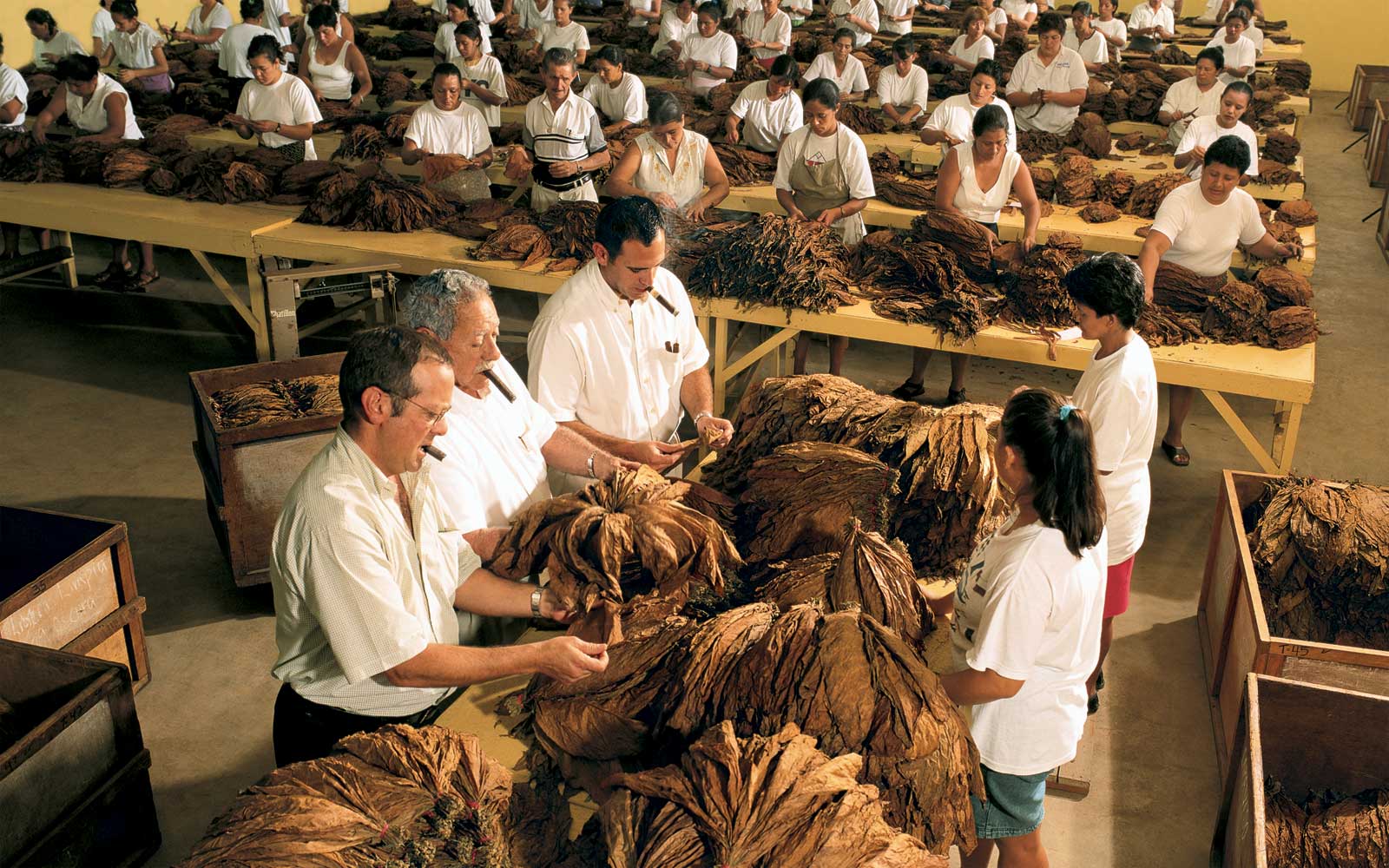
Here the reporting offers a striking observation. Many makers rest their rolled cigars in aging rooms for a while, but Cigar Aficionado's factory report relates that “Padrón is the industry's exception: once the band is on, the cigars are boxed and shipped comparatively quickly.” The design philosophy is to complete the aging at the stage of the leaf, not of the finished product. That is exactly why the enormous stockpile is necessary.
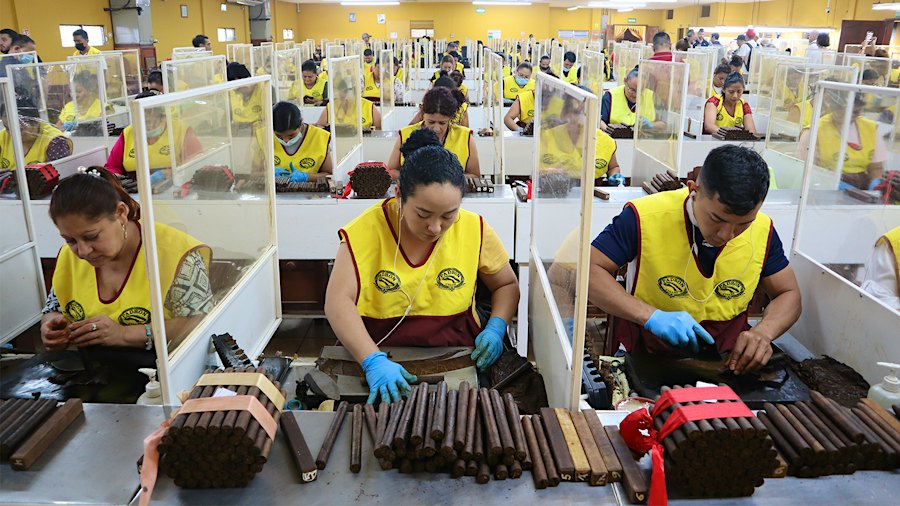
At the factory (Tabacos Cubanica), some ninety pairs of torcedores roll by hand, producing on a scale of eight to nine and a half million cigars a year. Even the cedar boxes are made in a workshop on the premises — thoroughness of a high order.
◆ Chapter 4 — Standing and Rivals: Three Different Estelís
Padrón's standing comes into relief when it is set beside its contemporaries. In Estelí, three contrasting models of success live side by side.
My Father (the García family) — the blending empire. Its head, Don Pepín García, is a master blender who honed his craft in Cuba's factories and crossed to Nicaragua around 2003. At first he made his name on contract blends for other brands (the early works of Tatuaje were also from his hand); in 2009 he opened a large factory in Estelí. He has taken Cigar of the Year three times — Flor de las Antillas (2012), Le Bijou 1922 (2015) and The Judge (2024) — and is the greatest rival contesting the throne. His “empire” model, carrying many brands, makes a fine contrast with the single-brand Padrón.
Plasencia — the leaf empire. A leaf family now in its sixth generation since 1865, and among the largest growers in Central America. For a long time it carried contract manufacturing for other brands (Rocky Patel, Alec Bradley and others), and only got serious about its own brand from 2017. In scale it far surpasses Padrón, but in brand prestige Padrón is the senior.
Joya de Nicaragua — comrades of the pioneering days. Founded in 1968, it is Nicaragua's oldest premium factory, and has been Padrón's neighbour since Padrón came to Estelí in 1970. There is no partnership between them, but as “comrades” who came through revolution and embargo in the same town, Joya is an indispensable presence in Padrón's story.
The House of Fuente, famous for the flamboyant limited-edition marketing of Opus X, is another good contrast. No advertising, no allocation frenzy, and a tight line-up. That quiet bearing is precisely why Padrón is called “the royal road of non-Cuban cigars.”
◆ Chapter 5 — The Fuente Relationship: The Only Collaboration in Sixty Years
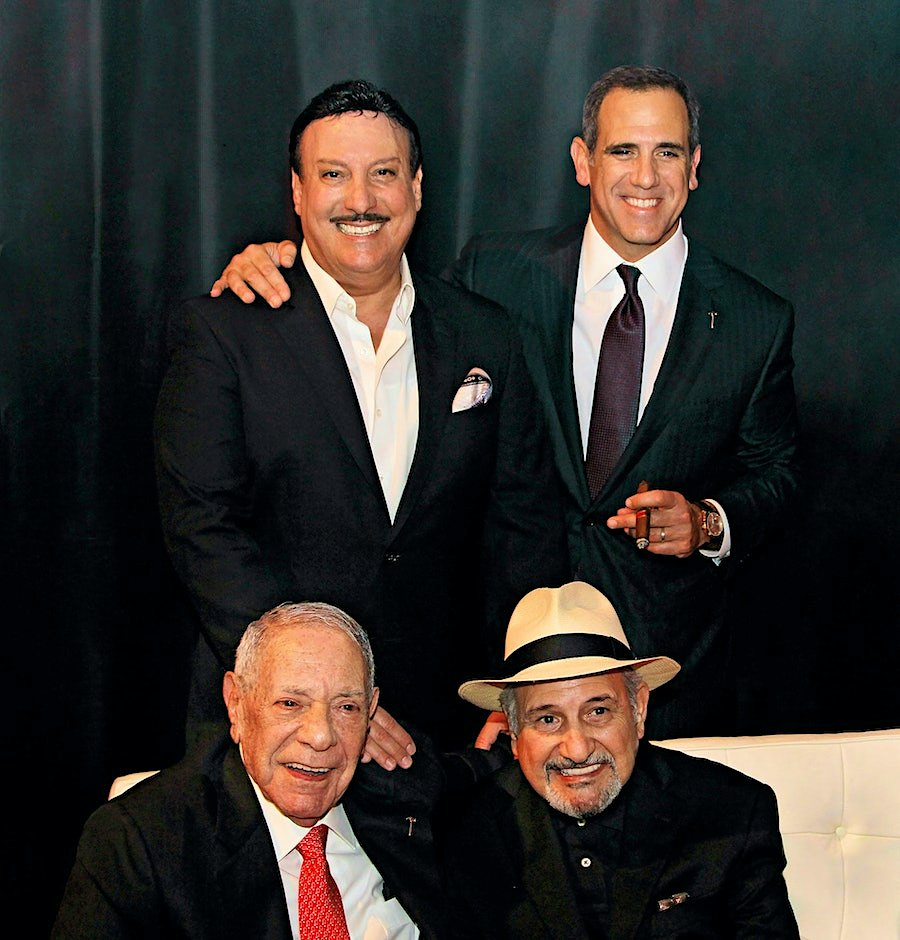
The one partner Padrón has joined hands with in sixty years is Arturo Fuente. The patriarchs, Carlos Fuente Sr. and José O. Padrón, were friends for more than fifty years. In the 1970s, by a curious turn, both families had factories in Nicaragua, and both had their factories burned in the turmoil of the revolution. Fuente departed for the Dominican Republic; Padrón remained in Estelí. At the end of the diverging roads, the two families would stand side by side again in the sons' generation.
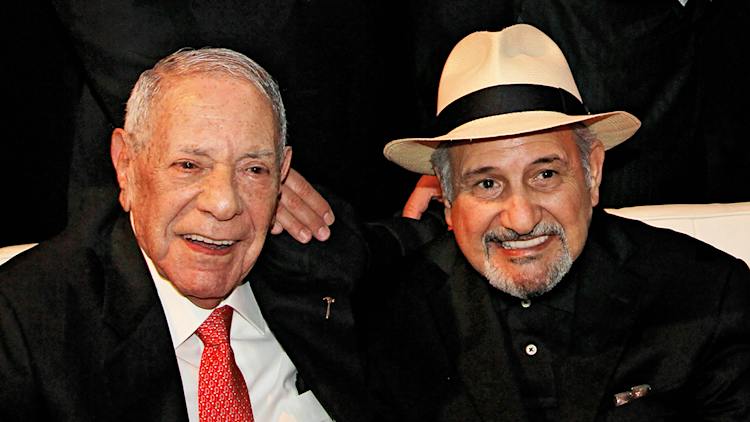
The idea was born in 2020, in Jorge's office in Miami, over whisky shared with Carlos Fuente Jr. “Let each of us make a cigar honouring the other's father, and put them in the same box.” When “Fuente y Padrón Legends” was unveiled at the PCA trade show in July 2022, the response was such that a trade-paper journalist wrote that he had never seen an announcement like it at a show.
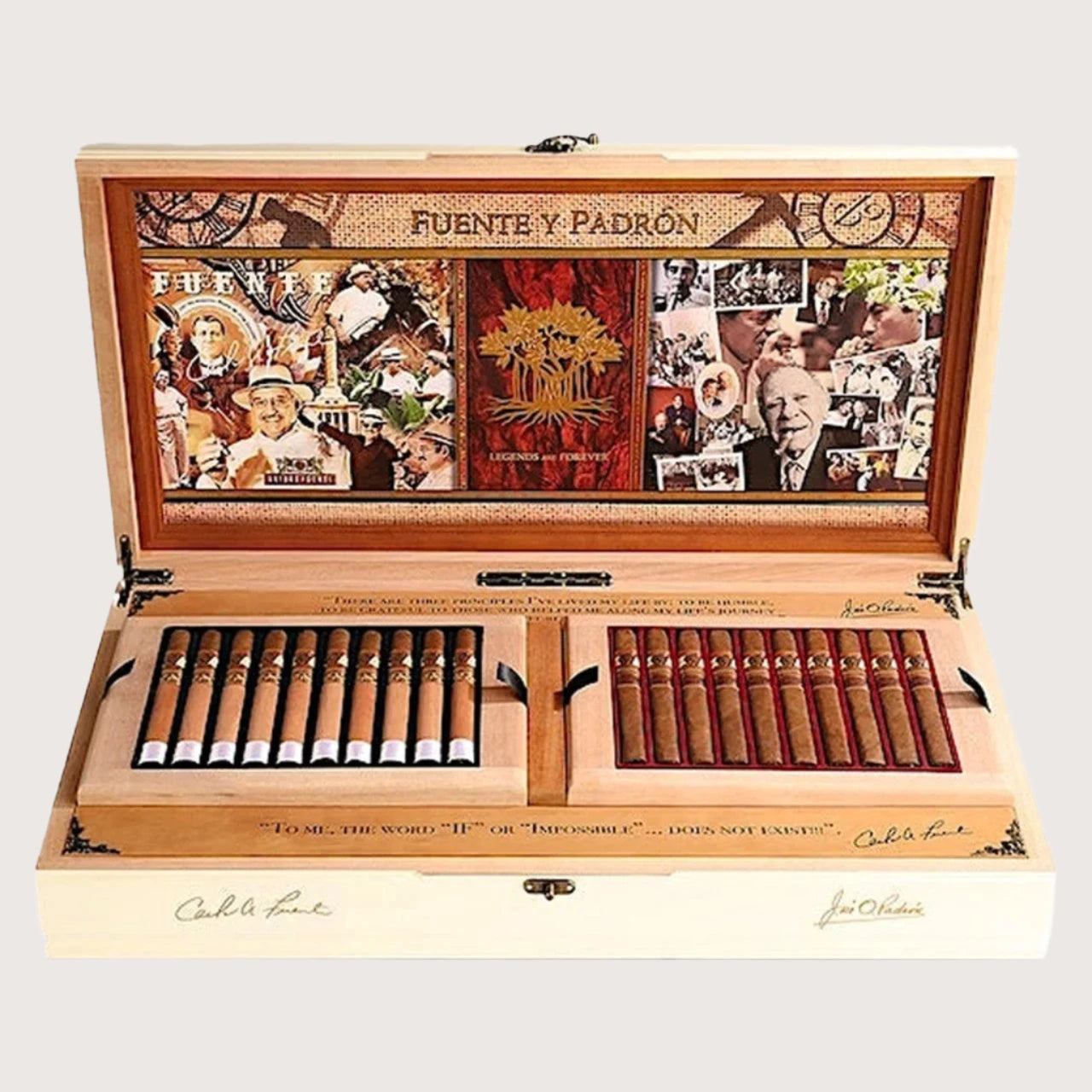
The box holds forty cigars: twenty made by Fuente in honour of José (7 × 50 Churchill, round) and twenty made by Padrón in honour of Carlos Sr. (the same size, box-pressed). The blends are completely undisclosed by both houses. The bands carry the symbols of both families and the words “Familia, Perseverancia, Legado” (Family, Perseverance, Legacy), and a portion of the proceeds is donated to both families' charitable foundations. Engraved inside the lid are José's words on his three principles of life — to be humble, and never to forget gratitude to those who helped him — and Carlos's words: “The words ‘if' and ‘impossible' are not in my dictionary.”
The road to release was not straightforward either. There was no release in 2023, and at the end of that year boxes arriving from the Dominican Republic were damaged in transit, delaying it again. The first boxes reached retailers on the eve of the 2024 PCA trade show. No official suggested retail price was set; on the market the box trades at around $7,120 (approx. ¥1,128,000), about $178 per cigar (approx. ¥28,200) (converted at $1 = ¥158.4).
◆ Chapter 6 — The Fight Against Counterfeits: Defended by Numbers and a Signature
As is the fate of popular brands, Padrón too has been plagued by counterfeits. Tracing the record: in June 1999 the first fake Anniversary cigars circulated in Nicaragua; in January 2000 more than 3,000 fake cigars and 5,000 fake bands were seized at a Los Angeles warehouse; and in September 2000 counterfeits worth over $60,000 were busted in New York.
The family's counterattack was early and thorough. In 1999 it printed José's signature on the reverse of the standard line's bands, and added a special engraving to the hinges of the Anniversary boxes. Then, in February 2001, it introduced a second band bearing serial numbers — an individual-number guarantee label. According to enthusiasts' verification records, a Padrón without this second band is “either made before February 2001, or a fake.” The current premium lines all carry dual bands with individual numbers, and invisible ink that glows under a blacklight is also said to be used.


- Points for telling them apart: the wing colour — genuine is off-white, fakes lean yellow to orange. The gold areas — genuine shows the grain and lustre of foil; fakes are flat. The central maroon — genuine is deep, fakes are pale. The signature on the back — genuine is crisp.
- The sense of scale: the market is not as large as that for Cuban counterfeits (Cohiba above all), but the numbered, high-price lines are what get targeted. Fakes are common at tourist souvenir shops and at cut-price sites of dubious origin; buying through legitimate channels is the greatest defence.
◆ Chapter 7 — In Closing: A New Mountain at 1,200 Metres, La Florinda
Finally, the present tense of the third generation. In 2023 Padrón acquired a new farm, “La Florinda,” on the mountains above Estelí. Named for Jorge's mother Florinda, the farm stands at an elevation of about 1,200 metres and covers some 62 hectares (90 manzanas). It is the same scale as the company's other three Estelí farms combined — and such is the commitment that the existing Villa Vieja farm is being rested for a year to make room.
Planting began in December 2023 on what was originally ranch land, and this year marks its third harvest. It mainly produces filler, but the possibility of wrapper cultivation, exploiting the high elevation and strong sunlight, is also being explored. The leaf grown here will become cigars only after passing through fermentation and aging — a matter of years ahead. We are still in the middle of waiting for the day we can taste them.
More than sixty years after its founding, the family still opens a new mountain. The time axis of a family that runs no advertising and has chosen carefully whom to join hands with advances like the aging of leaf: slowly, but surely.
Main sources for this feature: Cigar Aficionado, “A Tale of 2 Cigar Families” (2022); the magazine's factory reports (2023; January 2026); cigarfan.net, “Battling Counterfeits”; CigarPass, “Padron 1926 Serie / 1964 Anniversary Reference” (enthusiast verification record); Cigar Inspector's La Florinda visit report (February 2024); Cigar Journal; Holt's; Tobacco Asia. Photo credits are given in each caption. The map and the plant diagram are schematics drawn by this news desk.