
Feature — Joya de Nicaragua: Good, Affordable,
and the Pride of Nicaragua's Oldest Maker
Joya de Nicaragua is the oldest premium cigar brand in Nicaragua. It was founded in 1968. The company was raised by cigar makers driven from their island by the Cuban Revolution, who saw a “second Cuba” in the volcanic soil of Estelí. The glory of being chosen the White House's official cigar; cultivation by a dictator; a factory burned in revolution; nationalisation; and a rebuilding by the hands of the workers themselves — those 58 years overlap with the upheavals of the country of Nicaragua itself. And yet the price is still, even now, from around ¥1,300 a cigar. Now that Cuban cigars have risen beyond reach, we dig into this old house, called “the byword for a cigar that is good and affordable.”
◆ Chapter 1 — History: The White House's Cigar, Until the Revolution Burned It
On February 29, 1968, the Cuban exiles Simón Camacho and Juan Francisco Bermejo founded the “Nicaragua Cigar Company” in Estelí, in northern Nicaragua. It was Nicaragua's first premium cigar factory. The very first brand was Joya de Nicaragua, ancestor of today's Clásico. The “Joya” in the company's name is not the English word “joy” but the Spanish word for “jewel”: it was born, literally, as “the Jewel of Nicaragua.”

The United States had just lost Habanos to the Cuban embargo. To American smokers seeking a substitute, Joya answered vividly. By the early 1970s it had risen to be chosen as the White House's official cigar under the Nixon and Ford administrations. An anecdote is still handed down at the factory: Nicaragua's dictator Anastasio Somoza visited the White House, opened the box of cigars offered to him, and was astonished — the contents were cigars from his own country.
That Somoza would in time eat into the company's management. According to visit reports, using loans as leverage he took control of some 75% of the company, and even made the cigars an instrument of his own diplomacy. Being regarded as the dictator's asset is what called forth the later tragedy. In the late 1970s, as the fires of the Sandinista revolution enveloped Estelí, the factory was set ablaze and, it is said, was even bombed by Somoza's air force. When the revolution succeeded in 1979, the new government nationalised the company.
Even so, cigar making did not stop. It was the workers themselves, we are told, who rebuilt the factory and kept production going in temporary premises. In the 1980s the U.S. embargo on Nicaragua cost the company its biggest market, and part of production was moved to neighbouring Honduras. In 1998 Hurricane Mitch struck the leaf-growing regions. Few makers show so extreme a gap between glory and calamity.
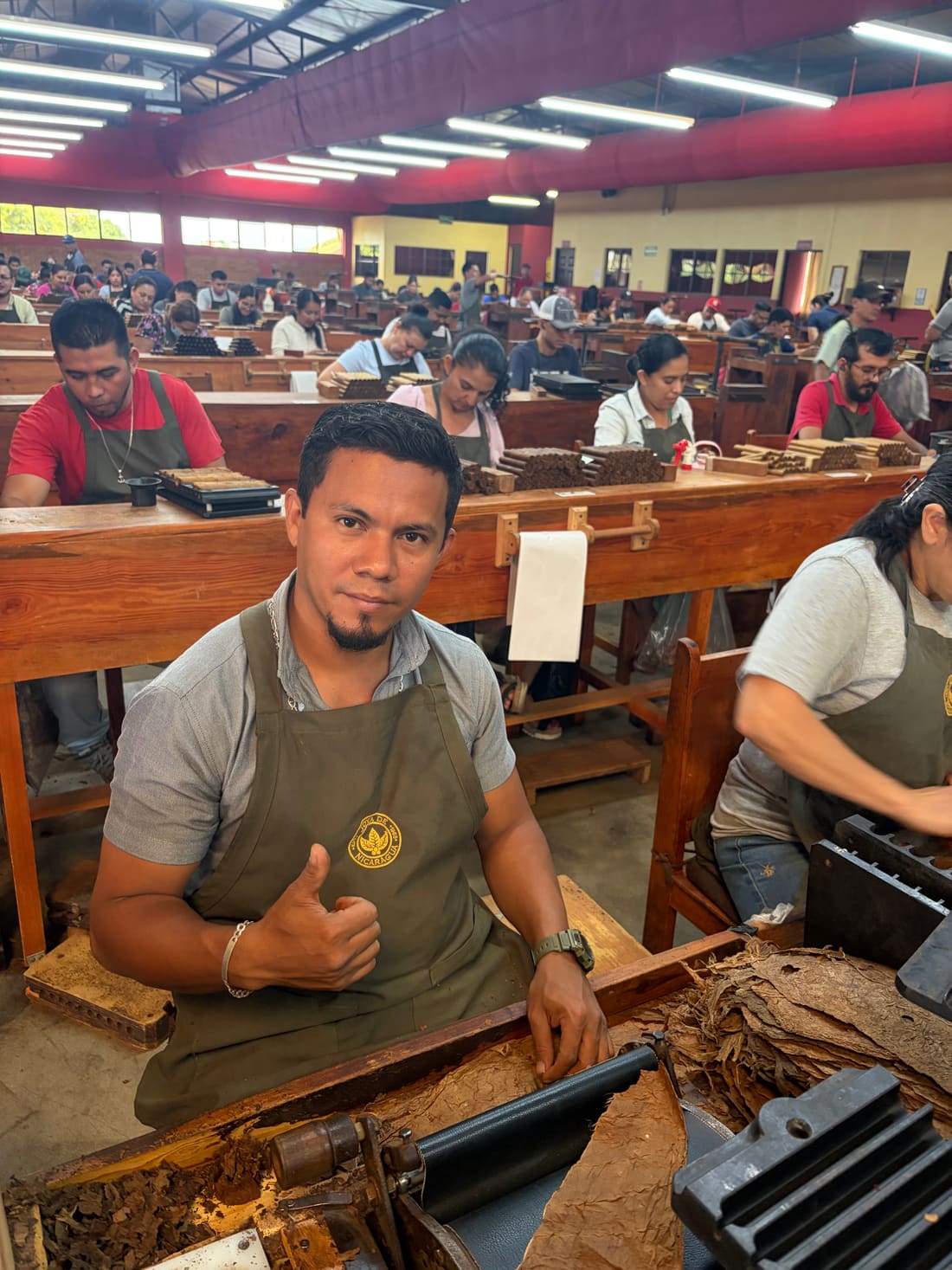
◆ Chapter 2 — Dr. Cuenca and the Martínez Family: The Company the Workers Asked Him to Buy
After nationalisation the company was privatised, and the factory had come to be owned by its 69 workers. The man who appeared at those workers' own entreaty was Dr. Alejandro Martínez Cuenca, an economist who had also served as a trade minister under the Sandinista government. In 1992 Dr. Cuenca first leased the factory on a trial basis; in 1994, accepting the workers' request, he bought the company and renamed it “Tabacos Puros de Nicaragua.”
But the signboard belonged to someone else. The “Joya de Nicaragua” trademark had been sold during the years of confusion, and it was not in the doctor's hands. He spent three years in negotiation and bought the trademark back. Then, in 2005, the company name at last returned to “Joya de Nicaragua” as well. For the factory burned in the revolution, recovering even its name took a quarter of a century.
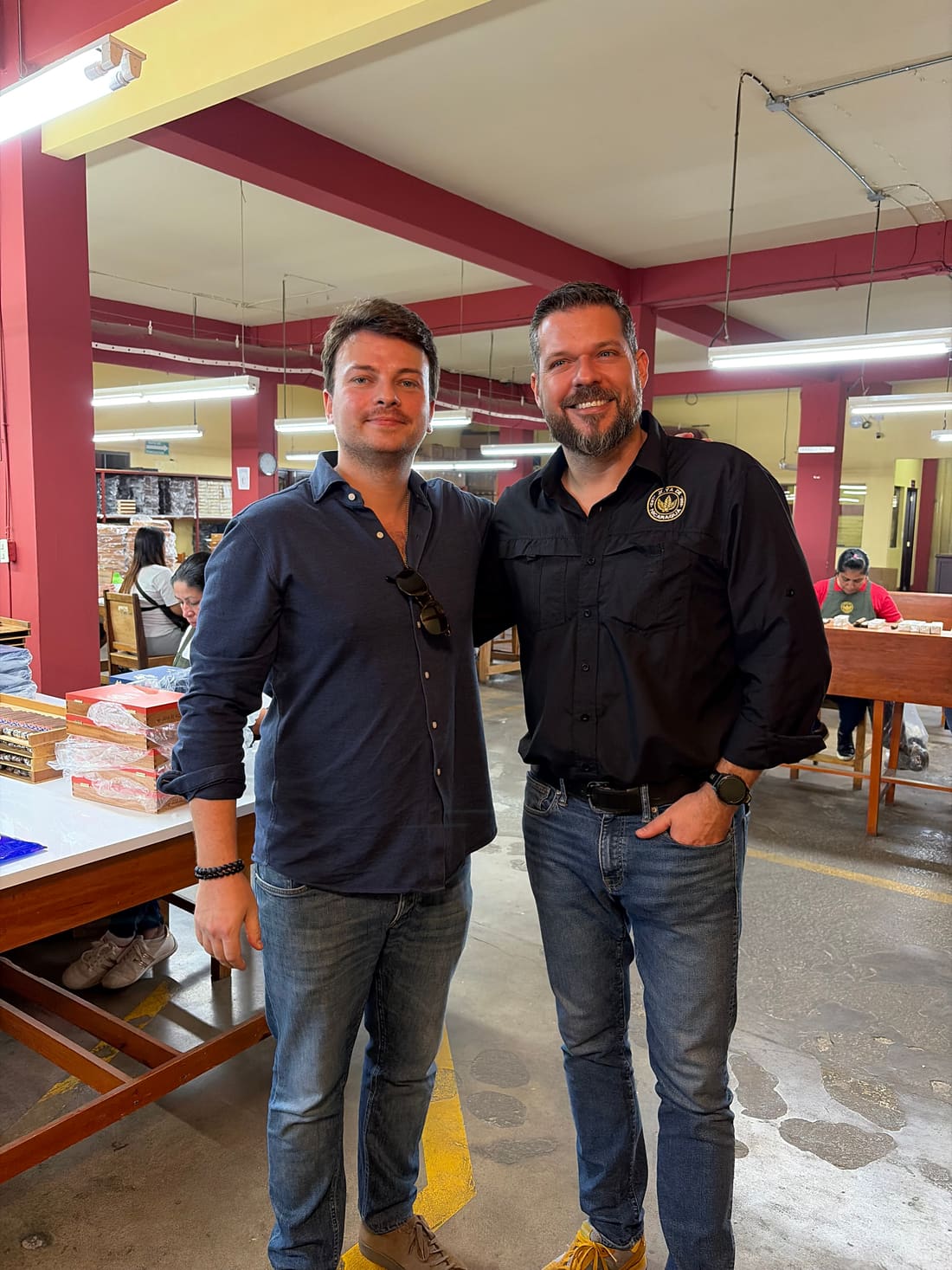
Today Dr. Cuenca watches over the company as chairman, while the practical work is led by his son, Juan Ignacio Martínez, as president. The second generation, who joined the company around 2012, is the generation that has led the modern “JOYA” lines described below and the development of overseas markets. Even now, exporting to more than fifty countries, the head office is the same factory in Estelí. Its true face — a town factory of a family and its workers — has not changed.
◆ Chapter 3 — Leaf and Terroir: Estelí's Volcanic Soil, and the “All-Nicaragua” Tradition
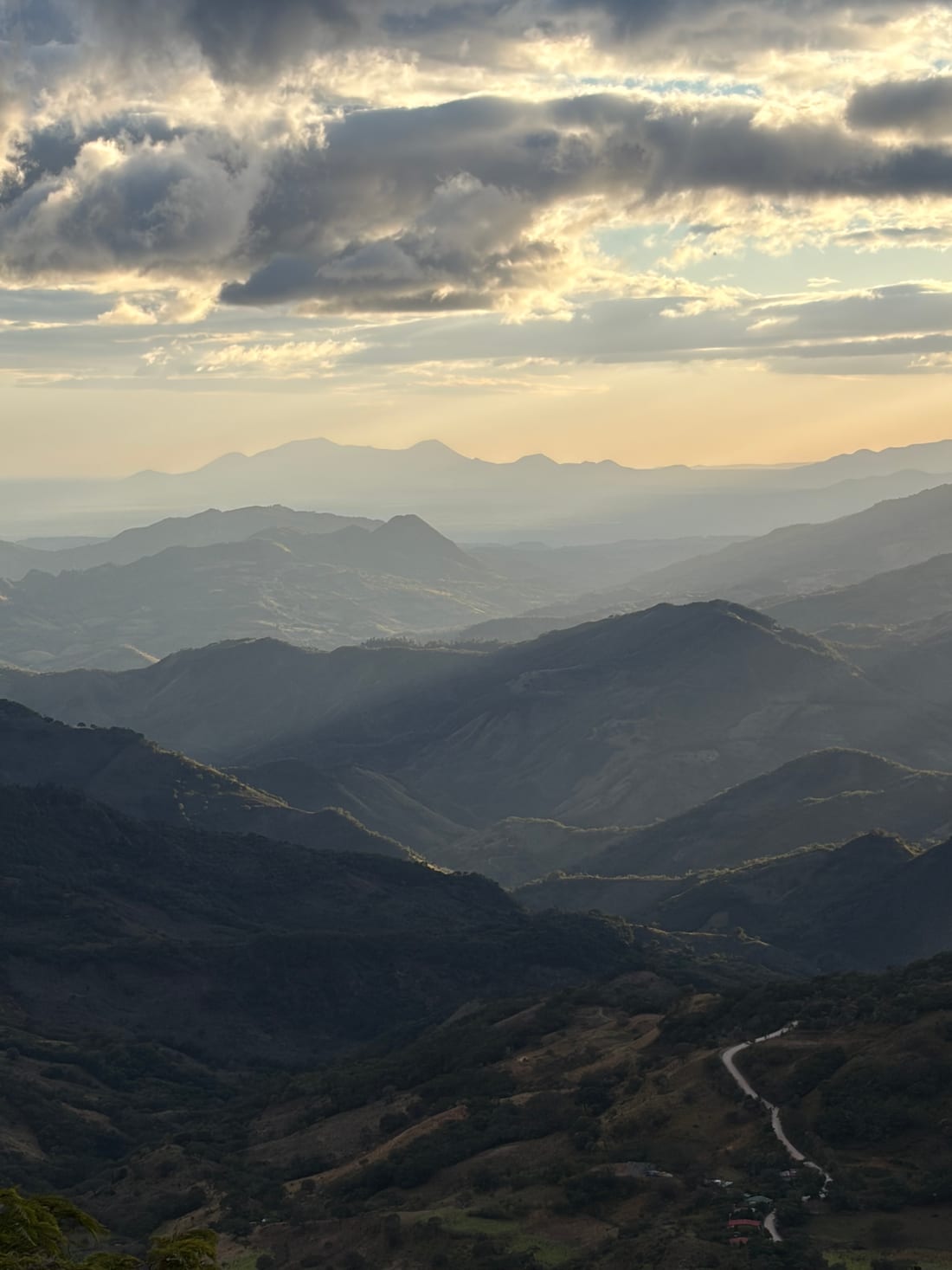
Joya's traditional lines are built as puros — wrapper, binder and filler all Nicaraguan. The skeleton of the leaf is assembled from three regions. Estelí, where the factory stands, has volcanic black soil giving power and an earthy aroma: the spine of the blends. Condega, to the north, links the middle, and the Jalapa Valley is known for sweetness and fine aroma. How to make Cuban-lineage seed sing in the soil of this volcanic country — that has been the task since 1968.
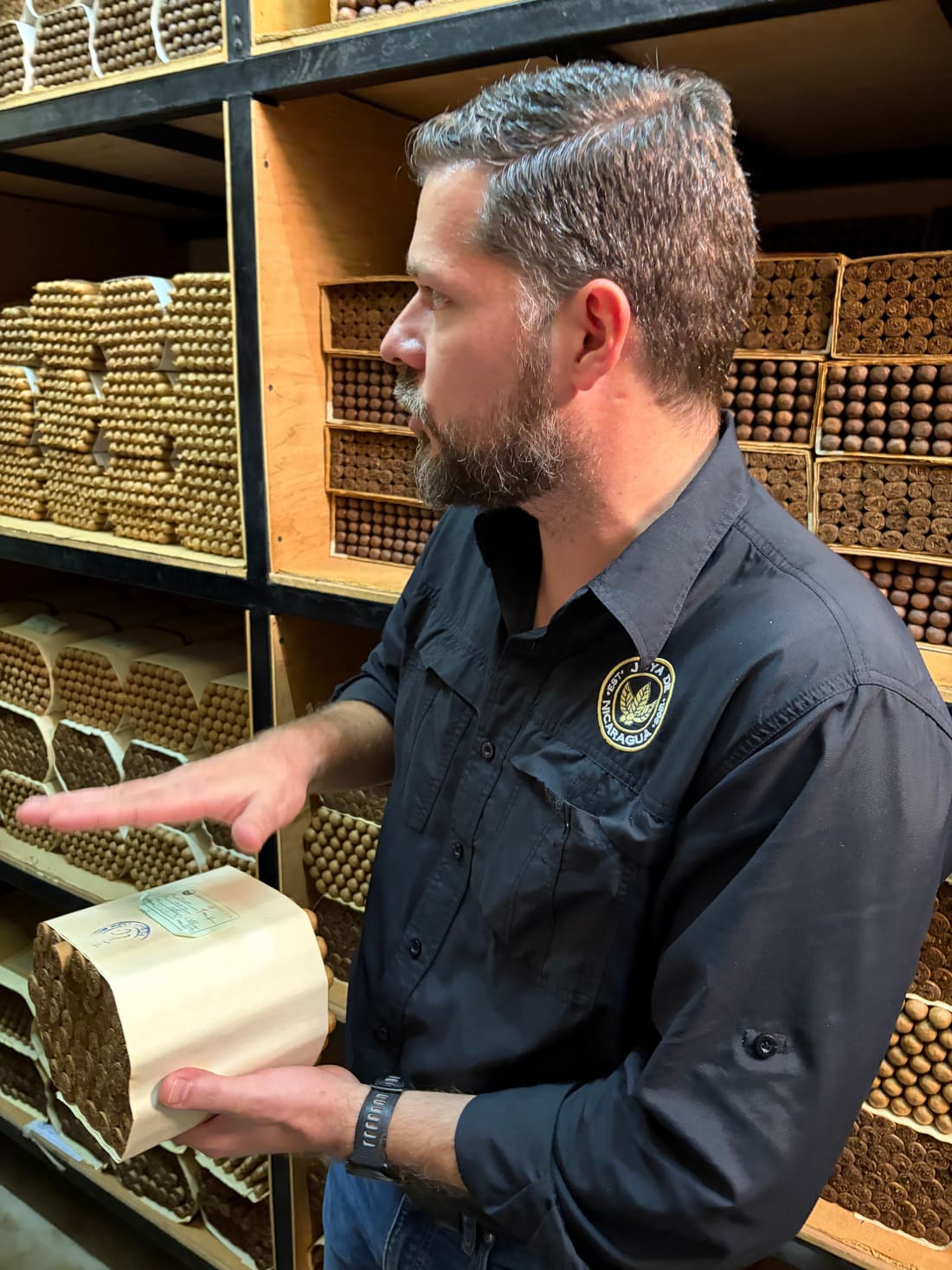
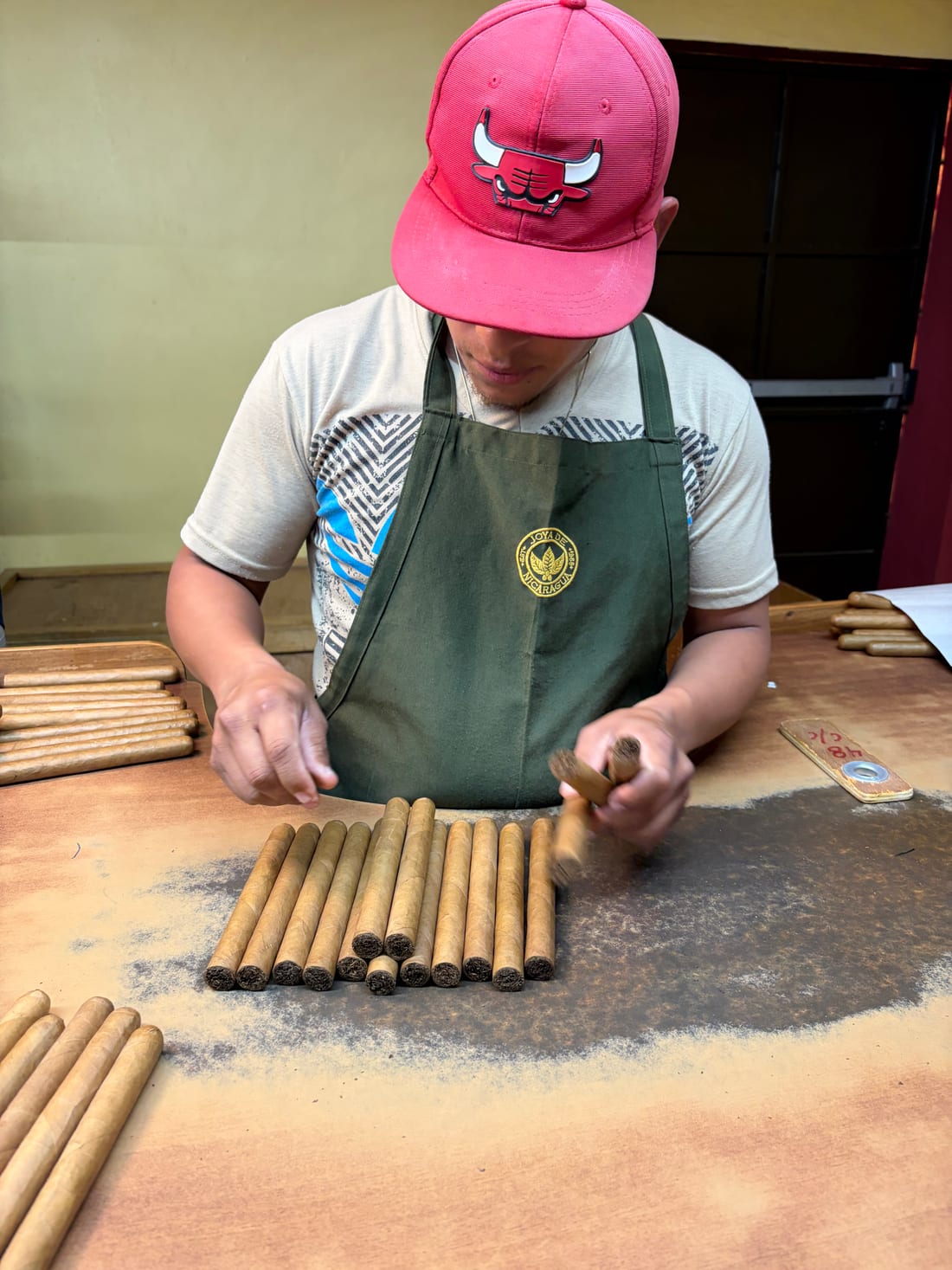
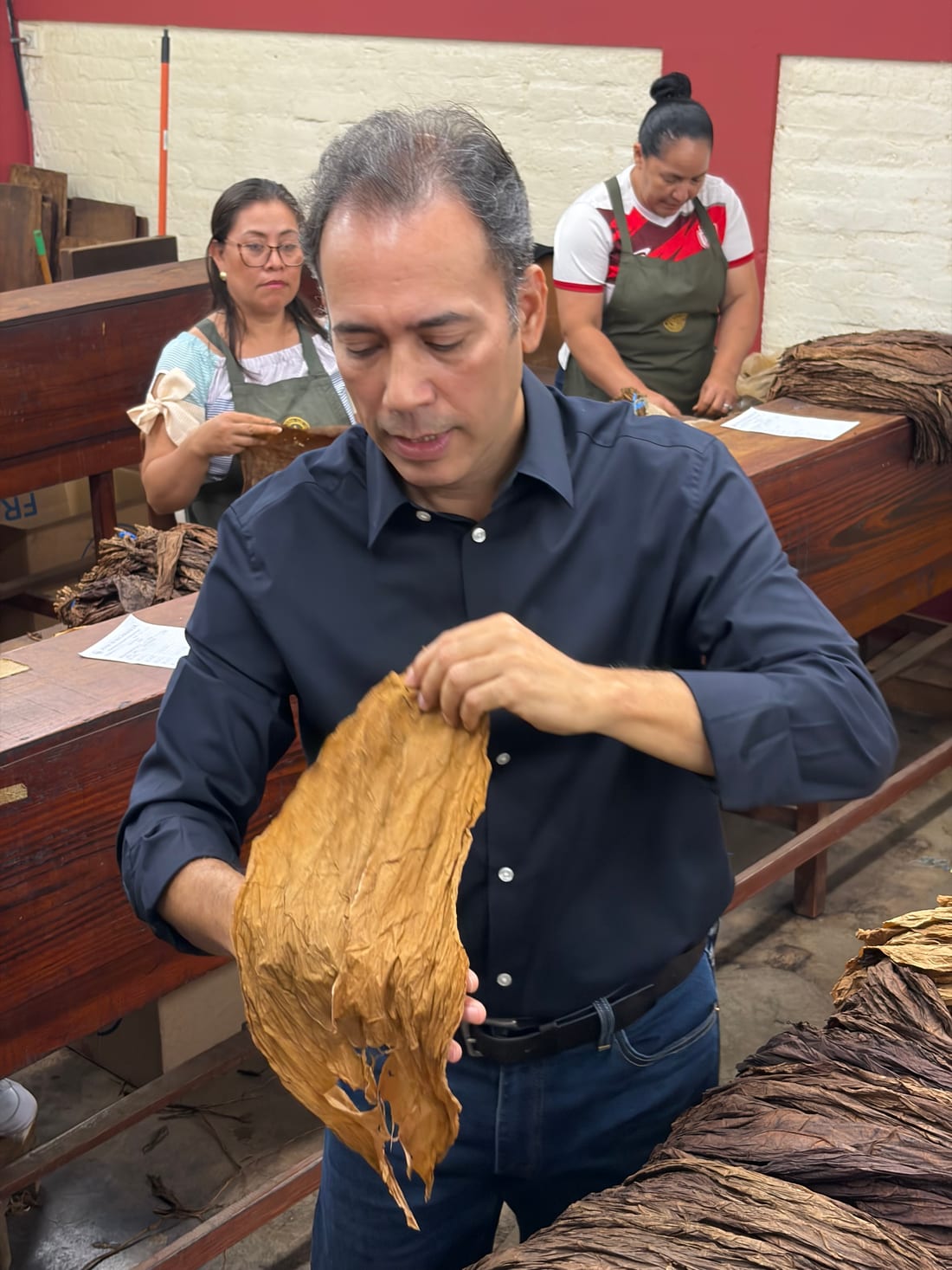
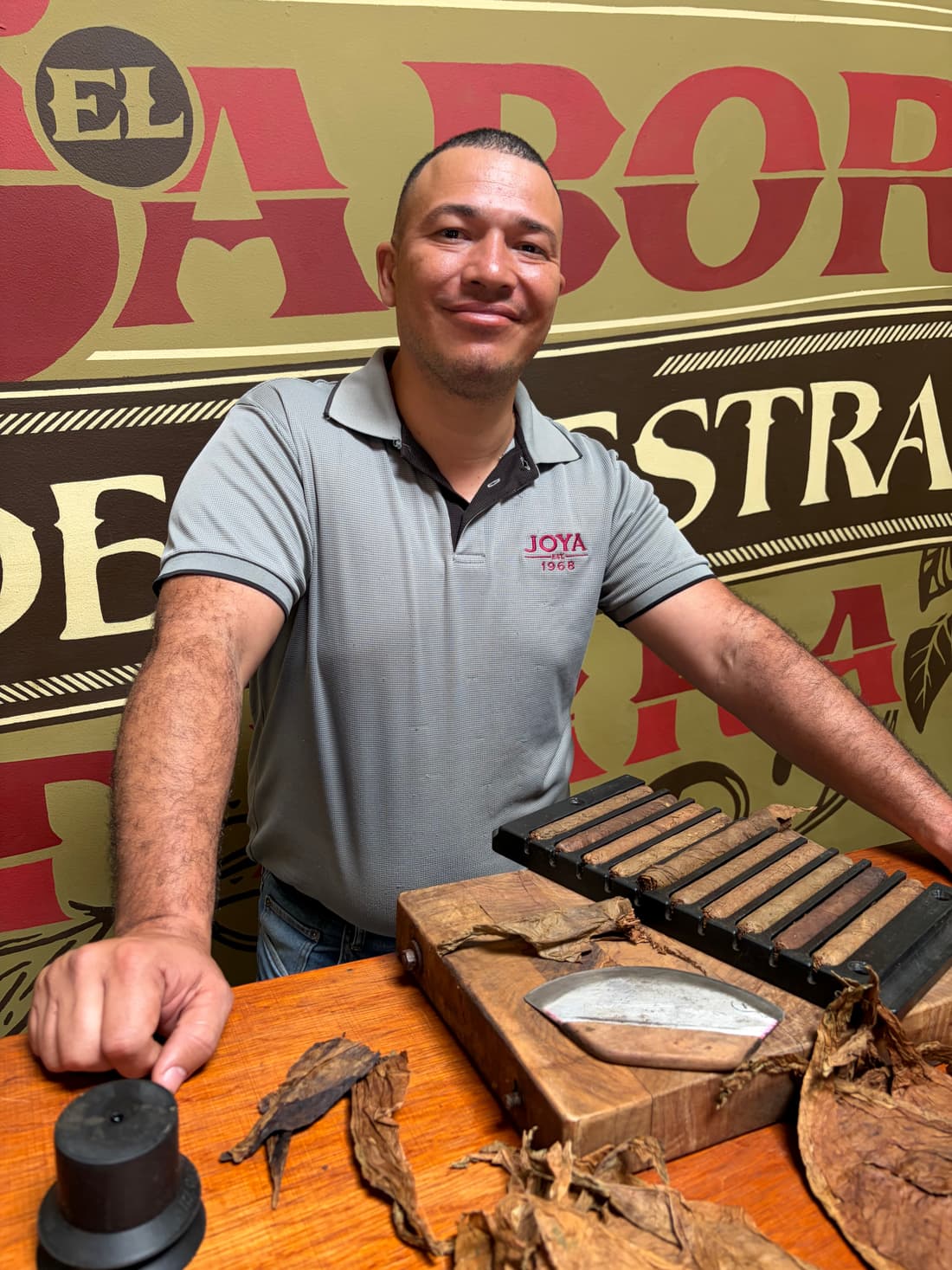
The factory's process is Cuban-style handwork itself. Before rolling, the leaves are sorted one by one for colour and quality, and the binder leaf is used only after its thick veins have been removed by hand. In the rolling gallery, bunchers and rollers breathe together, and the finished cigars rest in the aging room before they ship.
◆ Chapter 4 — The Record: Back-to-Back “Cigar of the Year” After Turning Fifty
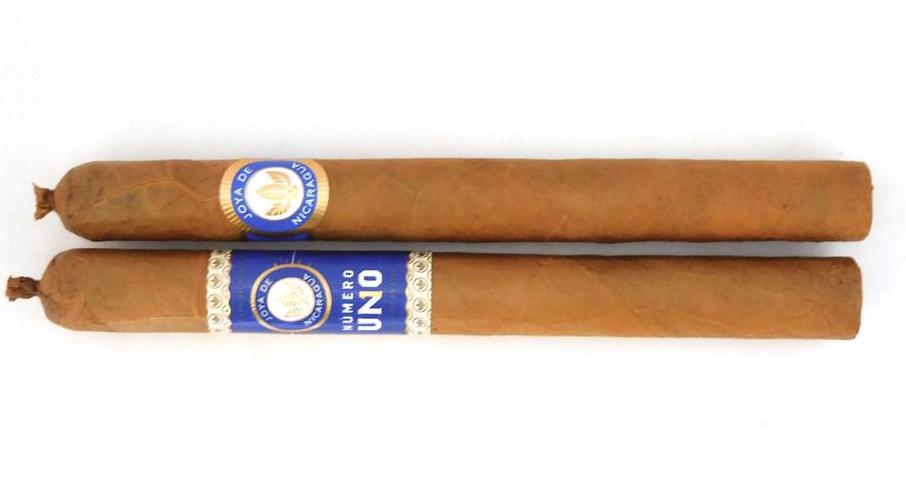
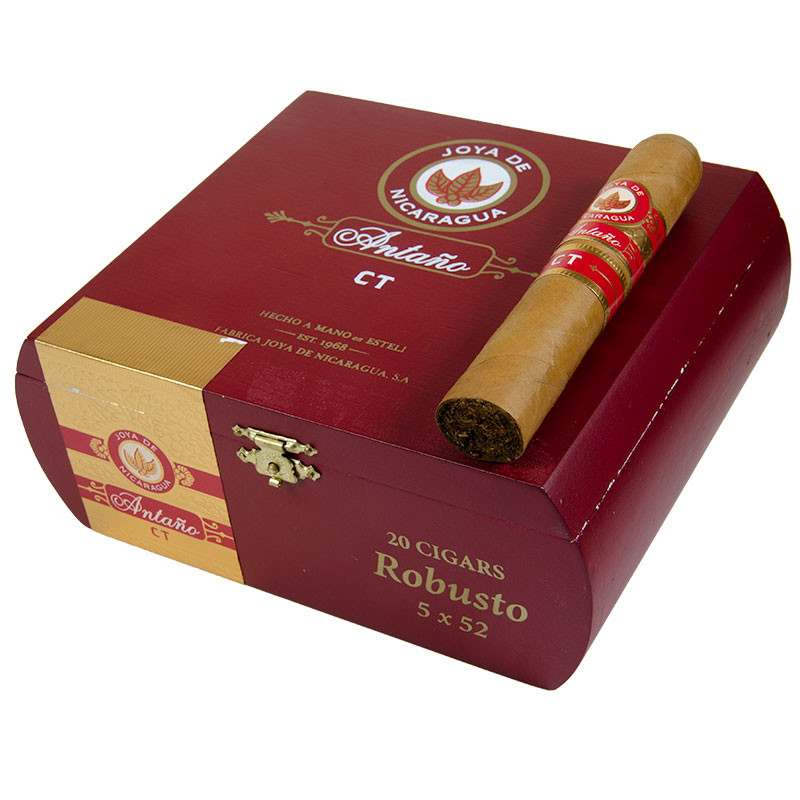
What symbolises Joya's modern standing is the “Cigar of the Year” of the specialist medium Halfwheel. In 2018, a cigar made for diplomats, “No. 1,” was chosen as the magazine's No. 1 of the year; the following year, 2019, the Antaño CT Robusto took the year's No. 1 again. An old house past its fiftieth year had taken the summit two years in a row. “No. 1” was later added to the formal line-up as “Número Uno.”

The house's old standard-bearer, Antaño 1970, also entered Cigar Aficionado's Top 25 immediately after its release, and the Antaño CT Robusto has received 93 points from the magazine (per ratings carried by retailers). The fiftieth-anniversary Cinco Décadas of 2018 received honours at the top of its year in “The Consensus,” which aggregates the ratings of the specialist media. Not flashy advertising, but evaluations piled up in blind tastings — a different shape from Padrón, but this, too, is a maker that speaks through ability.
◆ Chapter 5 — Through Foreign Eyes: The “World's Strongest” Billboard, and the Temperature Gap on Kindness to the Wallet
In Japan, “reasonable and kind to the wallet” is Joya's byword, but overseas — in the U.S. market above all — the billboard is a little different. The product description at the U.S. mail-order house Cigar Place calls Antaño 1970 the “Original Nicaraguan Puro” and introduces its nickname, the “world's strongest cigar.” According to official historical materials, at its launch in 2001 it received a “strongest cigar” award at a trade show, and the price at the time was $4–9 a cigar (at today's rate, approx. ¥630–1,430). What stands in front in the United States is the provenance of the oldest house and its full-bodied strength; talk of price comes after.
On ratings, too, overseas it is spoken of in terms of class. Cigar Aficionado's ratings database lists Número Uno Le Premier at 92 points. Retailer listings show the Antaño 1970 Gran Consul also at 92 from the magazine, and Cigar Journal's Número Uno at 93. Together with the Antaño CT's 93 points, touched on in the chapter on the record, Joya is recognised as a capable maker that lines up scores in the nineties across its main lines.
So how is price spoken of overseas? The U.S. review site Stogies on the Rocks gave Antaño 1970 90 points out of 100, touched on a street price of “about $6 (approx. ¥950),” and rated it “great value.” The writer disclosed that he obtains his own cigars by mail order at about $4 a cigar (approx. ¥630), and wrote that it was a “phenomenal price.” In a buyer review at the long-established British house Turmeaus, there is also this way of putting it about Número Uno: “Sublime but affordable.” Overseas, too, “a good buy” is certainly among Joya's virtues. But the direction of the surprise differs a little from Japan's everyday-price image of “kind to the wallet.” It is a sense of discount measured against class: “Premium quality and 58 years of tradition — why is it this price?”
Trust in the making can also be read from the raw voices of consumers. Among the buyer reviews at Turmeaus, voices line up such as: “Joya is one of the most consistently rewarding brands. Every line is carefully made, and the construction can be relied on. The draw is generally smooth, and the burn is stable” — with a rating of 8 out of 10. For Número Uno there remains also a word very much of a price-sensitive British buyer: “Good value (though the price rises have become noticeable of late).”
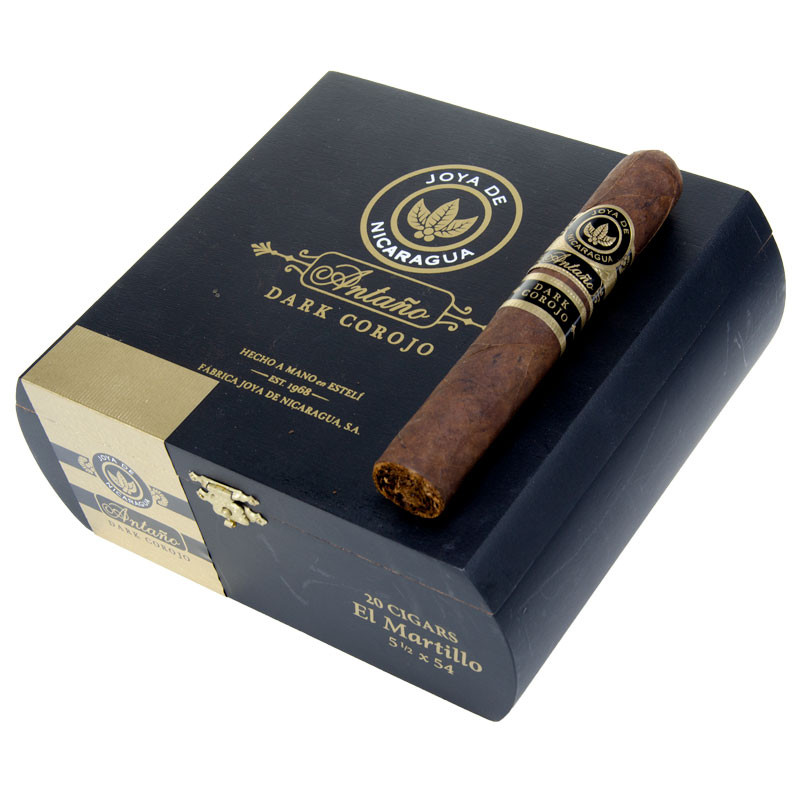
On the other hand, the harsher voices are clear, too. The protagonist is this Antaño Dark Corojo. In a buyer review at the U.S. mail-order house Famous Smoke we find: “The flavour profile is wonderful, but two boxes in a row had tight draws. Only after working them loose with a tool could I finally smoke. All the more regrettable because the flavour is so good.” In Holt's buyer column, likewise: “The flavour and aroma are good, but they were plugged and I couldn't draw.” The specialist review site CigarScore rated El Martillo (street price $8.17, approx. ¥1,290) as “a wonderful price, and the flavour quite good,” while listing the draw's tightening from the middle onward as a deduction. Neptune Cigar's buyer rating is high, averaging 4.42 out of 5 (55 reviews), but mixed in are voices complaining of construction variance, such as “it wouldn't take a light.” The densely packed ligero leaf is at once the source of the strength and the cause of the chronic complaint, the tight draw.
On enthusiast forums, Antaño is called one of the “nicotine bombs — age them and they're superb,” and is named a standing smoke (U.S. enthusiast forum CigarGeeks). Taken together, the trust overseas consumers place in Joya is not “I buy it because it's cheap,” but “the genuine article from the oldest house — somehow affordable, so I buy it.” The root is the same as Japan's “kind to the wallet” image, but the billboard at the entrance is different — this is Joya as seen from overseas.
◆ Chapter 6 — The Signature Lines: The Antaño Lineage and the “Masterpieces”
The Clásico is the direct line of the first cigar of 1968. Built with a bright Ecuadorian Connecticut shade wrapper, it has a gentle flavour, and carries the glory of the White House years into the present. Long loved in the European market, it is Joya's other face.
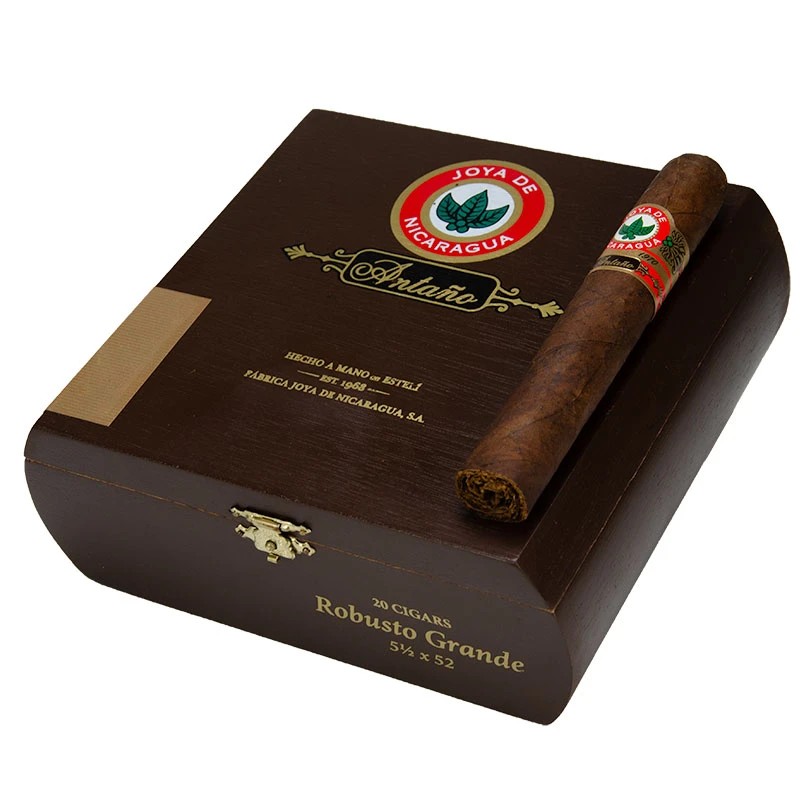
The Antaño 1970 (2001) was the signal fire of Joya's revival. Its birth carries an entertaining anecdote preserved in the official historical materials. After more than fifty prototypes had been made without the one decisive cigar emerging, what the factory manager brought in was an off-spec prototype that the production staff had rolled half-jokingly — “to knock you flat” — using without stint the thick, heavy leaf that is normally used only in small amounts. That cigar was adopted by unanimous agreement. At its launch it billed itself as “the strongest cigar on the market,” and received a trade show's “strongest cigar” award as well. The name Antaño means “olden days (a nostalgic past)”: it was a declaration that the flavour of the glory of the 1970s would be reclaimed. The lineage has since spread to Dark Corojo, Gran Reserva, and CT.
Above these stands a group called the Obras Maestras (Masterpieces). The Cuatro Cinco is the 45th-anniversary commemorative (2013), distinguished by its use of leaf rested in barrels. This November 2026, a limited “Secret Cask,” made with leaf that has continued aging in barrels since 2013, will ship in 15,000 cigars. The Cinco Décadas is the 50th-anniversary commemorative (2018), made with the finest vintage leaf in the company's stores, which engraved history into the names of its vitolas (shapes). Diadema is the first shape made at the factory; Fundador is the two founders; El Doctor is Dr. Cuenca himself; El Embargo is the memory of “the embargo.” Its list price is $20 a cigar (approx. ¥3,170) — even Joya's summit costs this. The Número Uno is an elegant line of limited production, originating in the diplomats' cigar, as touched on in the chapter on the record.
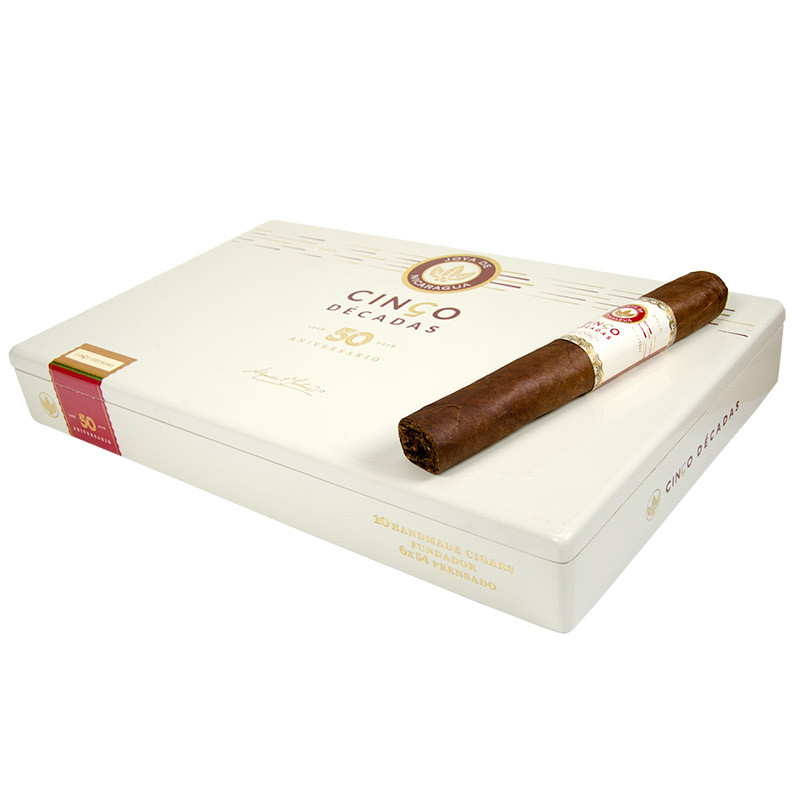
Meanwhile, the modern separate squad led by the younger generation is the JOYA line. With Red, Black, Silver (Joya's first box press) and Cabinetta, designed toward contemporary tastes, it opened up a new layer of customers. The Cinco de Cinco of the 55th anniversary (2023) is a commemorative wearing a Mexican San Andrés wrapper. Turning the traditional puro and the modern lines as two wheels — that is Joya today.
◆ Chapter 7 — Rivals and Collaborations: Independent in Making, Partnered in Selling
In Estelí's competitive map, Joya's position is distinctive. Padrón, reigning at the peak of prestige; My Father (the García family), the “blending empire” that also takes on other companies' blends; Plasencia, among Central America's largest leaf growers; AJ Fernandez, growing in presence as a volume blender; and Oliva and Perdomo. Among the later giants standing in a row, Joya stands at another pole, as the one house that is “the oldest and the most affordable.”
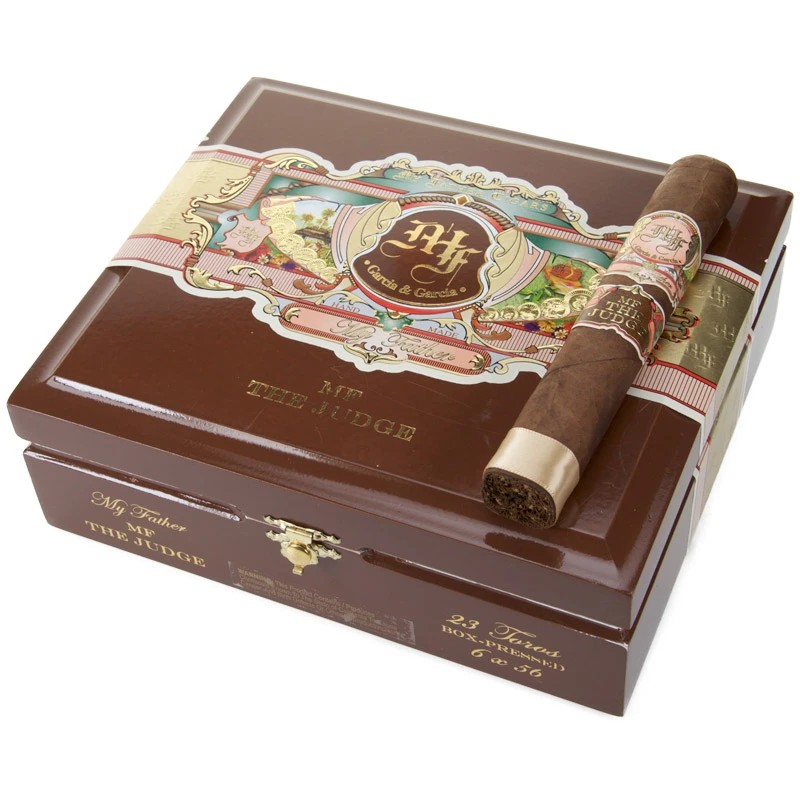
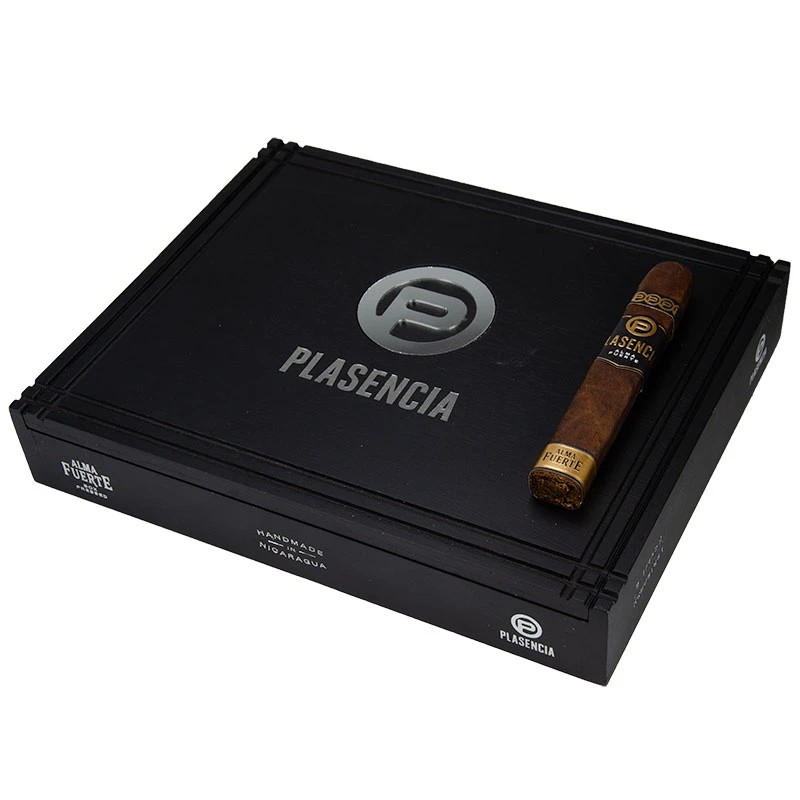
Let us write plainly about the presence or absence of collaborations. Joya makes almost no joint brands with other makers (so-called collaboration cigars). In their place, there is collaboration in a changed shape: contract manufacturing — rolling other brands' cigars in its own factory. Dunbarton Tobacco & Trust's Sobremesa, Fratello, and Britain's Charatan were born in this factory, among others. Not joint development of blends, but a “lending of the craft.” The technique of the oldest factory has supported other companies' signboards.
On the selling side, it has formed major partnerships. U.S. sales were carried by Drew Estate from 2008, continuing for 17 years (2018 was the partnership's tenth-anniversary year, which also produced projects such as canned mini cigars and a trade-show TAA-limited Antaño Gran Reserva Presidente). The turning point was September 2025. Joya announced the end of this partnership, and from January 2026 chose the path of selling for itself through “SAG Imports,” a joint-venture sales company with the Dominican Quesada family. In fact, before 2008, too, it was Quesada's SAG that carried Joya's U.S. sales: this is also a “reunion” after 18 years. Independent and unaccompanied in manufacture; in selling, choosing its partners. That two-sidedness is Joya's way of surviving.
This partnership had an underside that numbers alone cannot measure. Drew Estate founder Jonathan Drew, on the occasion of the announcement of the partnership's end, revealed: “Joya de Nicaragua has been a meaningful presence in my life since 1998 — long before the sales partnership that began 17 years ago.” In other words, the 2008 contract was not a cold commercial negotiation, but the extension of a personal bond of ten years' standing. The parting words were also striking. Chairman Cuenca stated, “This is not the end of a relationship, but the natural evolution of one,” and closed by thanking “Jonathan, Glenn, and everyone at Drew Estate for being part of our story.” In an industry where acrimonious partings are not rare, this was a rather elegant way to part.
The exception among joint brands was also born of this partnership. “My Uzi Weighs a Ton” of 2011 (commonly, MUWAT) is a genuine joint work: blended by Jonathan Drew himself, bringing together both companies' leaf, and rolled at Joya's factory. Its first unveiling was when Drew himself carried pre-release samples to an event in Pensacola, Florida, and handed them out. And the human ties continue even after the partnership ended. As CEO of the revived SAG Imports came Jaime Flores-Estrada, a former vice president of marketing at Drew Estate. The man who knows Joya's U.S. sales inside out is himself steering the new structure.
◆ Chapter 8 — Checking the Prices: Is It Really “Good and Affordable”?
Finally, we test with numbers the phrase that was this feature's starting point. What follows are the actual selling prices at shops that can ship to Japan, confirmed on November 7, 2026 (shipping and duties separate).
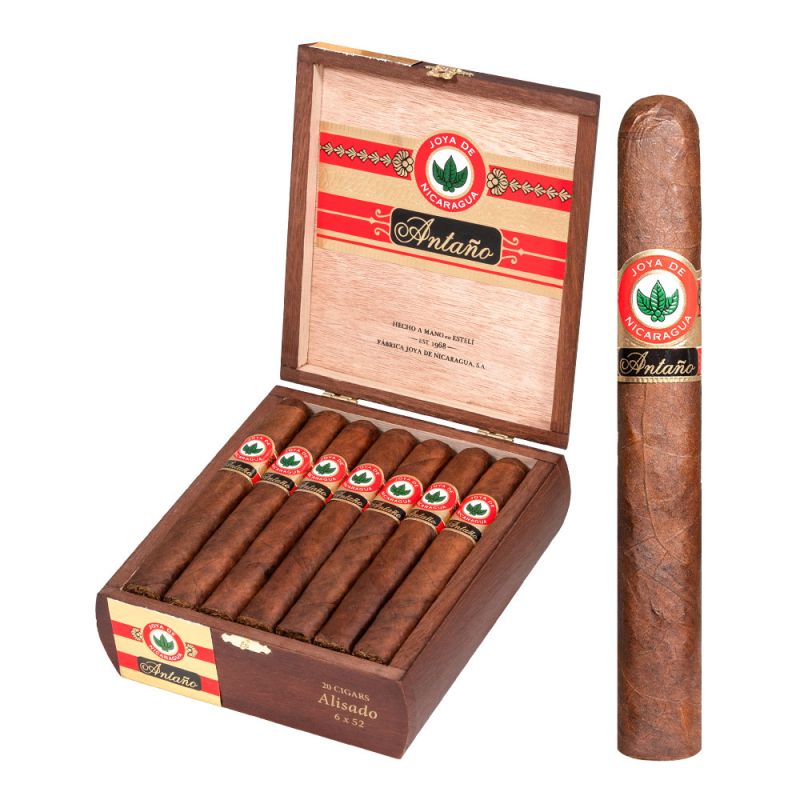
Antaño 1970 Alisado Toro (6 × 52)
・Box of 20: $164.50 (approx. ¥26,060) | approx. ¥1,303 per cigar
・5-pack: $53.95 (approx. ¥8,550) | approx. ¥1,709 per cigar
・Single: $13.80 (approx. ¥2,190) — displayed as out of stock at the time of checking
* During a Joya sale (up to 30% off MSRP, until November 10)
Antaño CT Robusto (5 × 52, Cigar Aficionado 93 points)
・Box of 20: $191.06 (approx. ¥30,260) | list price $233 (approx. ¥36,910) | approx. ¥1,513 per cigar | in stock
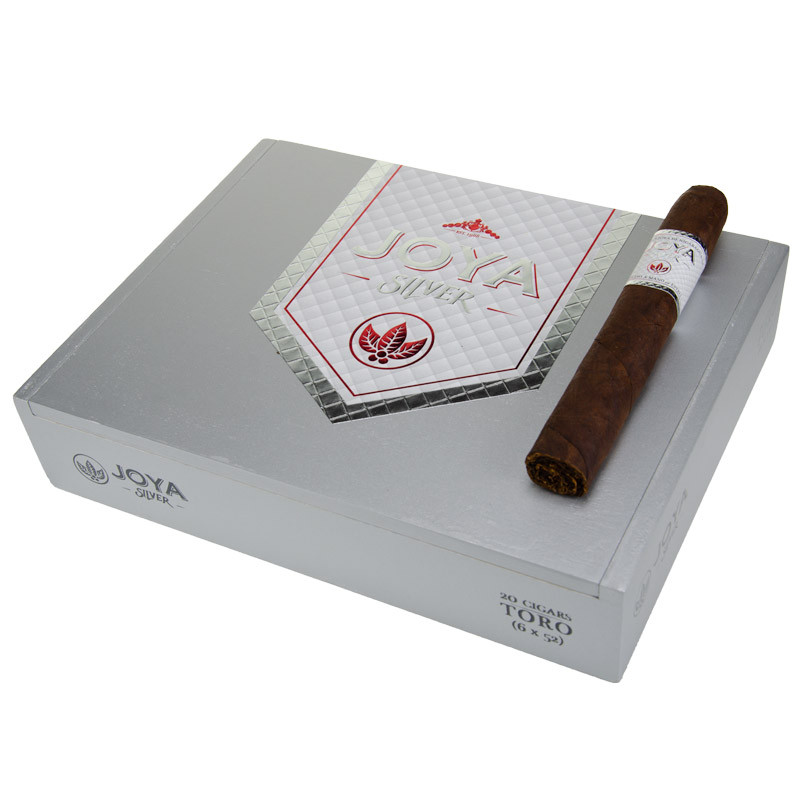
Joya Silver Toro (6 × 52)
・Box of 20: $162.36 (approx. ¥25,720) | list price $198 (approx. ¥31,360) | approx. ¥1,286 per cigar | in stock
To grasp the order of magnitude, let us set it beside a popular Cuban cigar confirmed on this morning's patrol. Partagás Lusitanias is $599 for ten (approx. ¥94,900). The box of twenty Antaño 1970 costs less than a third of that, with twice the cigars. What is more, Antaño is a proven performer whose own family (the CT) holds a specialist magazine's Cigar of the Year. Even Joya's summit, Cinco Décadas, has a list price of $20 a cigar (approx. ¥3,170) — far short of a single limited Cuban cigar. “Good and affordable” was not an advertising phrase; it was a fact of the price list.
◆ Chapter 9 — In Closing: “Independence” in the 58th Year
In 2026, Joya de Nicaragua is meeting a year of quiet fresh starts. Leaving the big umbrella of Drew Estate, with which it walked for 17 years, joining hands with the Quesada family, and selling its own cigars under its own name. It is the “independence” of its 58th year since founding.
A company that was burned by revolution, bombed, nationalised, and lost even its trademark, is still, in the same town in Estelí, rolling a cigar of ¥1,300. The pride of having been the White House's official cigar, and the spirit of a workers' town factory. Holding both, Joya continues work that does not shame the name “Jewel of Nicaragua.” Now that Cuba has become a flower on a high peak, as a genuine puro that can be kept within everyday reach, this old house's name is worth remembering.
To close the feature, we line up Joya's signature cigars and its limited, special and rare lines with photographs and actual selling prices. All prices are the current listings confirmed on each retailer's product page on November 7, 2026, and only shops that ship to Japan are carried (shipping and duties separate). Stock is as at the time of checking.
Clásico Robusto
$149.00 (approx. ¥23,602) | approx. ¥944 per cigar
Retailer: CigarTerminal ★★★☆☆ (ships to Japan) | Stock: in stock
The direct line of the founding cigar of 1968. The gentlest Joya, preserving the figure of its White House purveyor days. ▶ Product page (CigarTerminal)
Antaño 1970 Robusto Grande
$191.08 (approx. ¥30,267) | list price $233.02 | approx. ¥1,513 per cigar
Retailer: Atlantic Cigar ★★★★☆ (ships to Japan) | Stock: in stock
The signature line bearing the nickname “the world's strongest class.” Joya's face — also touched on in the price check in the main text. ▶ Product page (Atlantic Cigar)
Antaño Dark Corojo El Martillo

$181.30 (approx. ¥28,718) | list price $220.00 | approx. ¥1,436 per cigar
Retailer: Neptune Cigar ★★★☆☆ (ships to Japan) | Stock: in stock
Antaño 1970 made denser still — “the Hammer.” Atlantic Cigar has it at $191.08; this was the lowest price. ▶ Product page (Neptune Cigar)
Antaño CT Robusto
$191.06 (approx. ¥30,264) | list price $233.00 | approx. ¥1,513 per cigar
Retailer: Atlantic Cigar ★★★★☆ (ships to Japan) | Stock: in stock
The cigar that overturned the common sense of “Joya = strong” with its bright Connecticut leaf. Cigar Aficionado 93 points; Halfwheel's Cigar of the Year 2019. ▶ Product page (Atlantic Cigar)
Cuatro Cinco Reserva Especial Toro
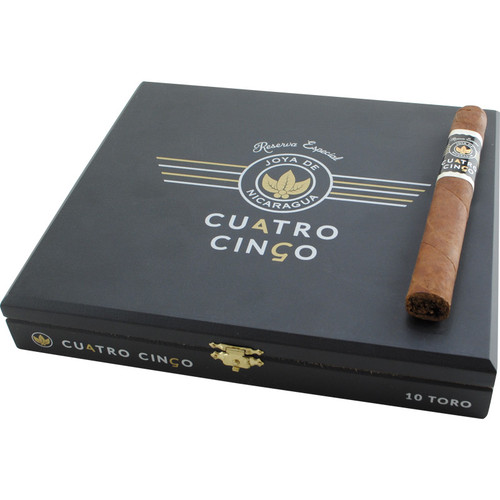
$132.02 (approx. ¥20,912) | approx. ¥2,091 per cigar
Retailer: Atlantic Cigar ★★★★☆ (ships to Japan) | Stock: price displayed on the product page (no explicit stock count)
Born as a limited edition for the 45th anniversary; on the strength of its popularity it became a regular line. ▶ Product page (Atlantic Cigar)
Joya Red Cañonazo
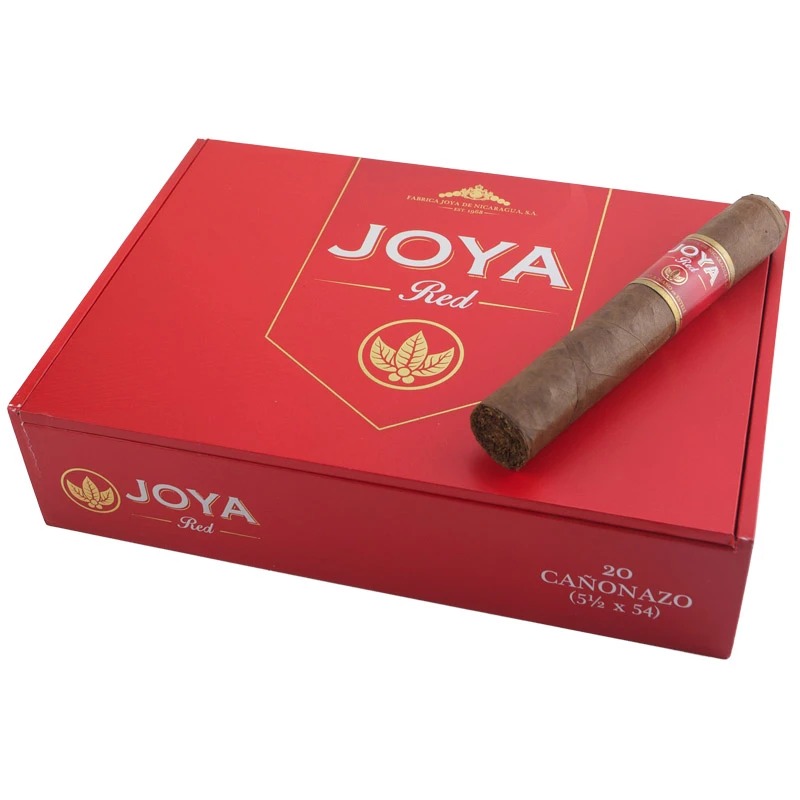
$106.80 (approx. ¥16,917) | list price $178.00 | approx. ¥846 per cigar
Retailer: Atlantic Cigar ★★★★☆ (ships to Japan) | Stock: in stock
The entrance to modern Joya. Approx. ¥846 per cigar is the lowest in this gallery. ▶ Product page (Atlantic Cigar)
Joya Black Toro
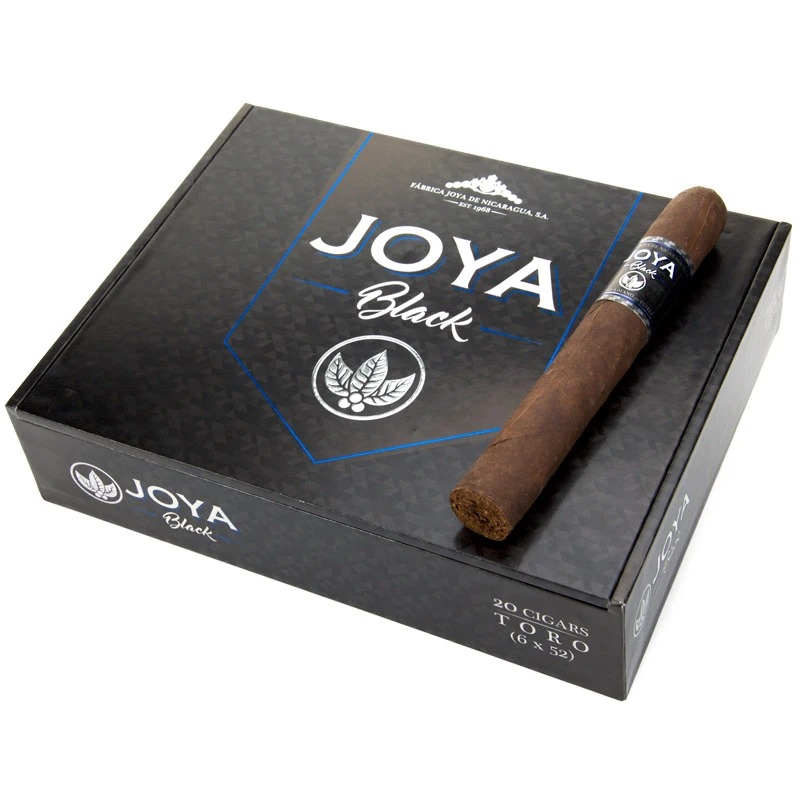
$162.36 (approx. ¥25,718) | list price $198.00 | approx. ¥1,286 per cigar
Retailer: Atlantic Cigar ★★★★☆ (ships to Japan) | Stock: in stock
Comparison: at CigarTerminal the box of 20 is $159.00 (approx. ¥25,182), in stock — slightly cheaper. ▶ Product page (Atlantic Cigar) ▶ Product page (CigarTerminal)
Joya Silver Toro
$162.36 (approx. ¥25,718) | list price $198.00 | approx. ¥1,286 per cigar
Retailer: Atlantic Cigar ★★★★☆ (ships to Japan) | Stock: in stock
An Ecuadorian corojo leaf wrapper, with the silver box as its marker. Together with Black, a pillar of the modern lines. ▶ Product page (Atlantic Cigar)
Cabinetta Robusto

$138.95 (approx. ¥22,010) | list price $169.00 | approx. ¥1,100 per cigar
Retailer: Neptune Cigar ★★★☆☆ (ships to Japan) | Stock: in stock
Distinguished by its two-tone wrapper: bright Connecticut leaf at the head, dark maduro leaf at the foot. ▶ Product page (Neptune Cigar)
Cinco Décadas Fundador
$200.90 (approx. ¥31,823) | approx. ¥3,182 per cigar
Retailer: Atlantic Cigar ★★★★☆ (ships to Japan) | Stock: price displayed on the product page (no explicit stock count)
Número Uno Le Premier
$256.45 (approx. ¥40,622) | list price $269.75 | approx. ¥3,125 per cigar
Retailer: Neptune Cigar ★★★☆☆ (ships to Japan) | Stock: in stock
Cinco de Cinco Toro

$166.50 (approx. ¥26,374) | list price $202.50 | approx. ¥2,637 per cigar
Retailer: Neptune Cigar ★★★☆☆ (ships to Japan) | Stock: in stock
Antaño Gran Reserva Gran Consul
$199.00 (approx. ¥31,522) | approx. ¥1,576 per cigar
Retailer: CigarTerminal ★★★☆☆ (ships to Japan) | Stock: in stock
Cuatro Cinco Secret Cask
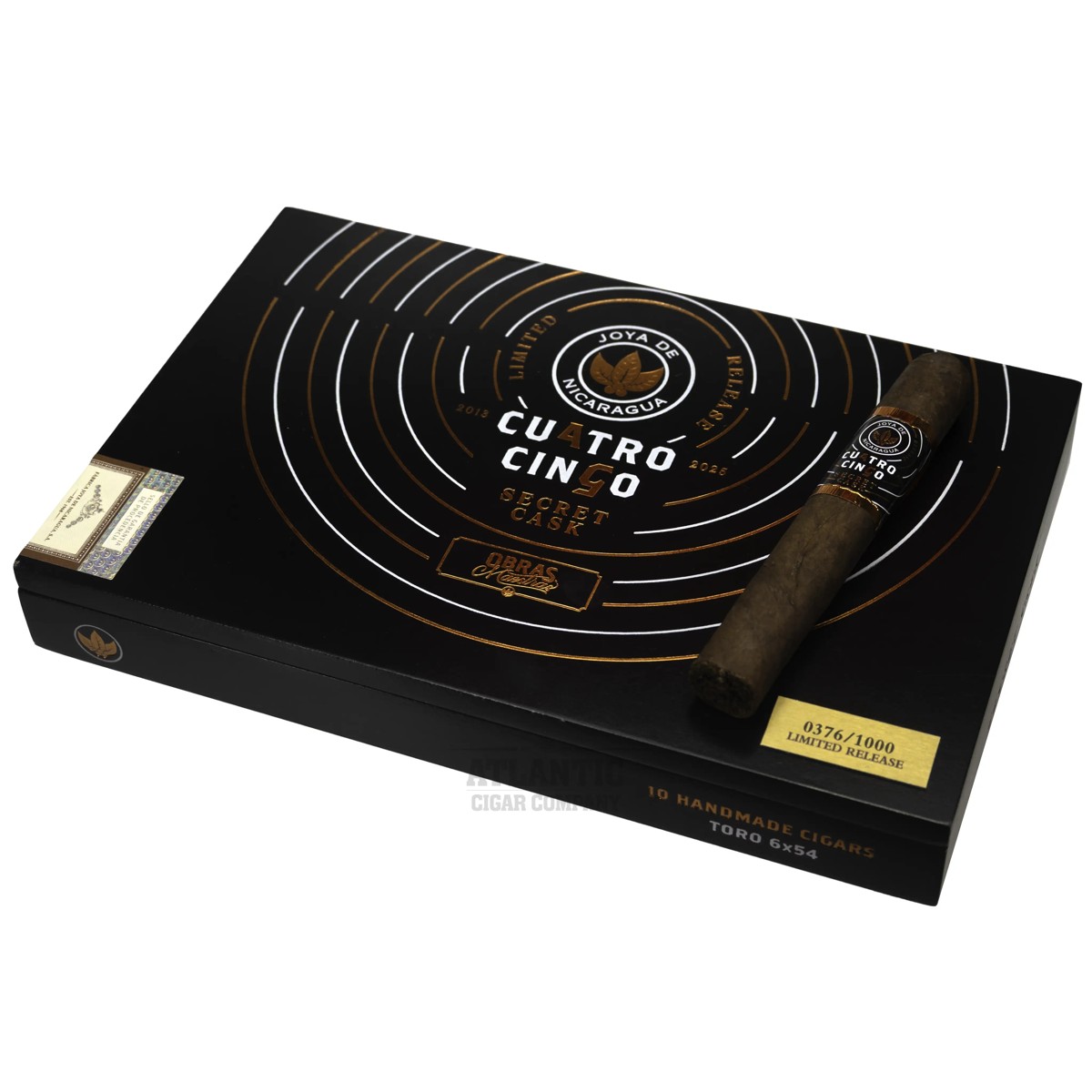
$189.50 (approx. ¥30,017) | approx. ¥3,002 per cigar
Retailer: Atlantic Cigar ★★★★☆ (ships to Japan) | Stock: in stock
Main sources for this feature: Joya de Nicaragua official (including the official historical materials such as “The History of the Full Strength Antaño 1970”); Halfwheel (reporting on the end of the sales partnership with Drew Estate and the SAG Imports joint venture, Cigar of the Year, Cinco Décadas and Cuatro Cinco Secret Cask); the Fine Cigars Club factory visit (January 2026, Estelí); Cigar Coop; Tobacco Asia; Tobacco Reporter; Cigar Aficionado (including its ratings database). Overseas consumer evaluations rest on buyer reviews at U.S. and British retailers (Turmeaus / Famous Smoke / Neptune Cigar / Holt's) and on postings on the review site CigarScore, Stogies on the Rocks, and the enthusiast forum CigarGeeks. Prices were confirmed on each retailer's product page on November 7, 2026. The closing gallery's prices and stock were confirmed the same day on the product pages of Atlantic Cigar, Neptune Cigar and CigarTerminal, and the bases for limited production numbers and the like rest on the launch reporting of Cigar Coop and Halfwheel and each shop's product descriptions. Photo credits are given in each caption. The map is a schematic drawn by this news desk.